
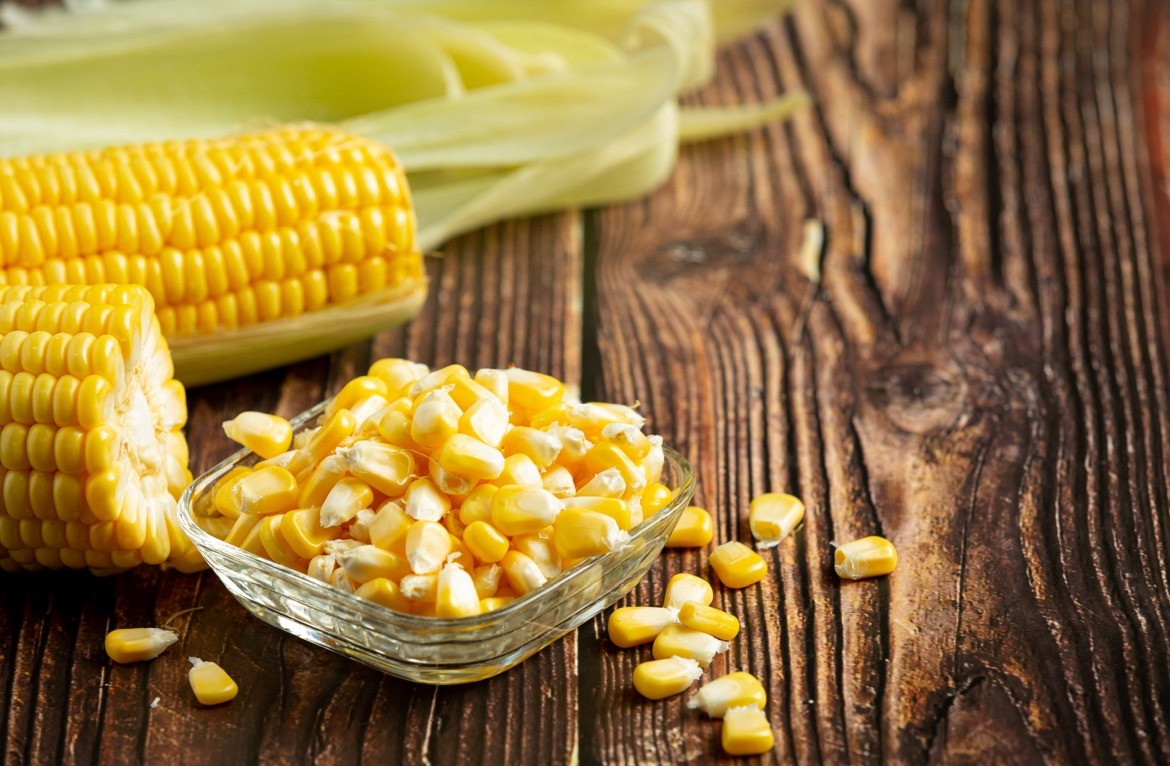

Corn is a beloved staple in many kitchens around the world, known for its sweet flavor and versatility in countless dishes.
Whether you’re making a hearty soup, a zesty salad, side dish or main dish, corn can be an essential ingredient.
However, when choosing the type of corn to use, many home cooks face the dilemma of selecting between frozen and canned options.
This article delves into the key differences between frozen and canned corn.
By understanding these differences, you can choose the perfect type of corn to elevate your culinary creations.

Processing Methods Of Corn
Canned Corn
Harvesting and Preparation
Canned corn starts its journey in golden fields, where sweet corn is harvested at its peak freshness. Once picked, the corn is promptly husked, cleaned, and readied for canning.
Blanching and Sealing
After the corn is ready for canning, it goes through a blanching process, which entails quickly boiling it to deactivate enzymes that could cause a loss in flavor and color.

Photos Courtesy Of Amoy Top Foods
Following the blanching process, the corn is then tightly packed into cans, often with added salt or sugar to enhance flavor.
The cans are subsequently sealed and exposed to high temperatures. This process efficiently sterilizes the corn as well as the can, eliminating bacteria and preserving the corns flavor.

During the high-temperature cooking, the sugars in the corn caramelize, resulting in a unique, sweet taste that many prefer over frozen corn.
Frozen Corn
Frozen corn is produced through a different method that also aims to preserve its sweetness and nutritional value. This process also includes several steps.
Harvesting and Preparation
Similar to canned corn, frozen corn starts with harvesting. However, for frozen corn, immediate processing after picking is essential to maintain the best possible flavor.
Blanching and Freezing
The corn is blanched to halt enzyme activity, similar to the canning process.
However, rather than being sealed in cans, the corn is rapidly cooled and frozen at very low temperatures.

This method helps to preserve its nutrients and flavor, though it usually doesn’t increase sweetness to the same extent as canning.
Flavor and Texture Differences
When comparing canned and frozen corn, the texture and overall flavor can vary greatly.
Canned corn is a convenient option that undergoes processing to ensure a long shelf life. While this method allows for quick preparation, it also brings up questions about its nutritional value and taste.
In contrast to canned corn, frozen corn is usually blanched, or briefly boiled, before it is frozen. This process aids in preserving its flavor and nutritional value.
Frozen corn tends to have a more authentic corn on the cob flavor and firmer texture. Like this Curry & Yogurt Chicken Thighs.
The recipe calls for fresh kernels from an ear of corn or you can opt for frozen corn.

Frozen corn also tends to have a better texture when cooked. It’s crispier and less mushy than canned corn.
Which To Use When Cooking
The choice between frozen and canned corn should align with the dish you’re preparing.
When To Use Canned Corn
Canned corn works well in recipes where quick preparation is key.
Canned corn is perfect for salads, soups, casseroles, and side dishes that benefit from vibrant corn flavor without significant alterations.


These dishes highlight the ease of using canned ingredients while still providing delicious flavors.
When To Use Frozen Corn
The appealing aspect of frozen corn is its versatility in cooking. It can be added directly to soups, stews, stir-fries, or even salads without needing any prior cooking—just toss it in while preparing your dish.


Because of the way frozen corn is harvested and processed, it has a more authentic corn on cob flavor. Therefore, frozen corn can be used as a substitute for fresh corn in most recipes.
Recipes Where You Can Swap Frozen and Canned Corn
Frozen and canned corn can be swapped in recipes where corn is an ingredient that gets incorporated into a dish, but is not the star of the dish, like soups (corn chowder is the exception) casseroles, sautés, and rice dishes.

The different textures and flavors will blend in with other ingredients, making the distinction less noticeable.


Frequently Asked Questions
Can I use frozen corn directly in recipes without thawing?
Yes, you can often add frozen corn directly to recipes, especially if they’re being cooked, such as soups or stews and including this Southwestern Style Chicken Tortilla Pie.

Thawing is advisable for salads or dishes where the texture matters more.
Is canned corn less healthy due to added preservatives?
Canned corn often contains added salt or sugar, but you can opt for low-sodium or no-sugar-added varieties.
Its nutritional profile remains strong, though heating during canning can reduce certain vitamins.
How long does frozen corn last compared to canned corn?
Frozen corn can last up to 12 months in the freezer when properly stored, retaining its quality.
Canned corn has a longer shelf life, often up to 2-5 years, if unopened and stored in a cool, dry place.
Can I substitute frozen corn for canned corn in any recipe?
Generally, yes. In cooked dishes where corn is a secondary ingredient, they can be interchanged. Just consider any additional flavors or seasonings present in canned corn.
Which type of corn is more cost-effective?
Both have comparable pricing, though costs can vary based on brand and region. Canned corn may offer more perishable value with its extended shelf life, while frozen corn provides ongoing freshness.
In Conclusion
Both frozen and canned corn bring unique benefits to the kitchen.
While frozen corn offers a fresh taste and firm texture ideal for certain recipes, canned corn delivers convenience and is great for keeping readily available in the pantry.
Being able to substitute one for the other in many cooked dishes adds to their versatility, allowing you to make delicious meals regardless of which type you have on hand.


This guide became one of the most revisited Cook Plate Fork articles of 2025, as readers looked for practical kitchen clarity.
Link “most revisited Cook Plate Fork articles of 2025”
Read More About Corn Here 👇🏼

Craving Something New – Find Your Next Favorite Breakfast, Lunch, Brunch, Side Dish, Soup , Salad, Sandwich, Dinner And Dessert Recipes Here 👉🏽 Recipe Index
More Deliciously Yummy Recipes
- How to Cook Store Bought Gnocchi: 5 Easy Methods for Perfect Texture Every Time
- Cooking With Tortellini Pasta: 11 Delicious Ways to Transform This Versatile Ingredient
- Creamy Caramelized Onion Tortellini
- Moist Gluten-Free Almond Flour Strawberry Banana Muffins
- 3 Flavorful and Easy Persian Recipes for Beginners
Please Share With Your Social Network:

Discover more from Cook Plate Fork
Subscribe to get the latest posts sent to your email.
Pingback: Perfect 15 Minute Corn Salsa – Fresh, Zesty & So Easy to Make – Nutrition Health Information
Good to know. Thanks. 🙂
You’re welcome ☺️
🙂 🙂 🙂