
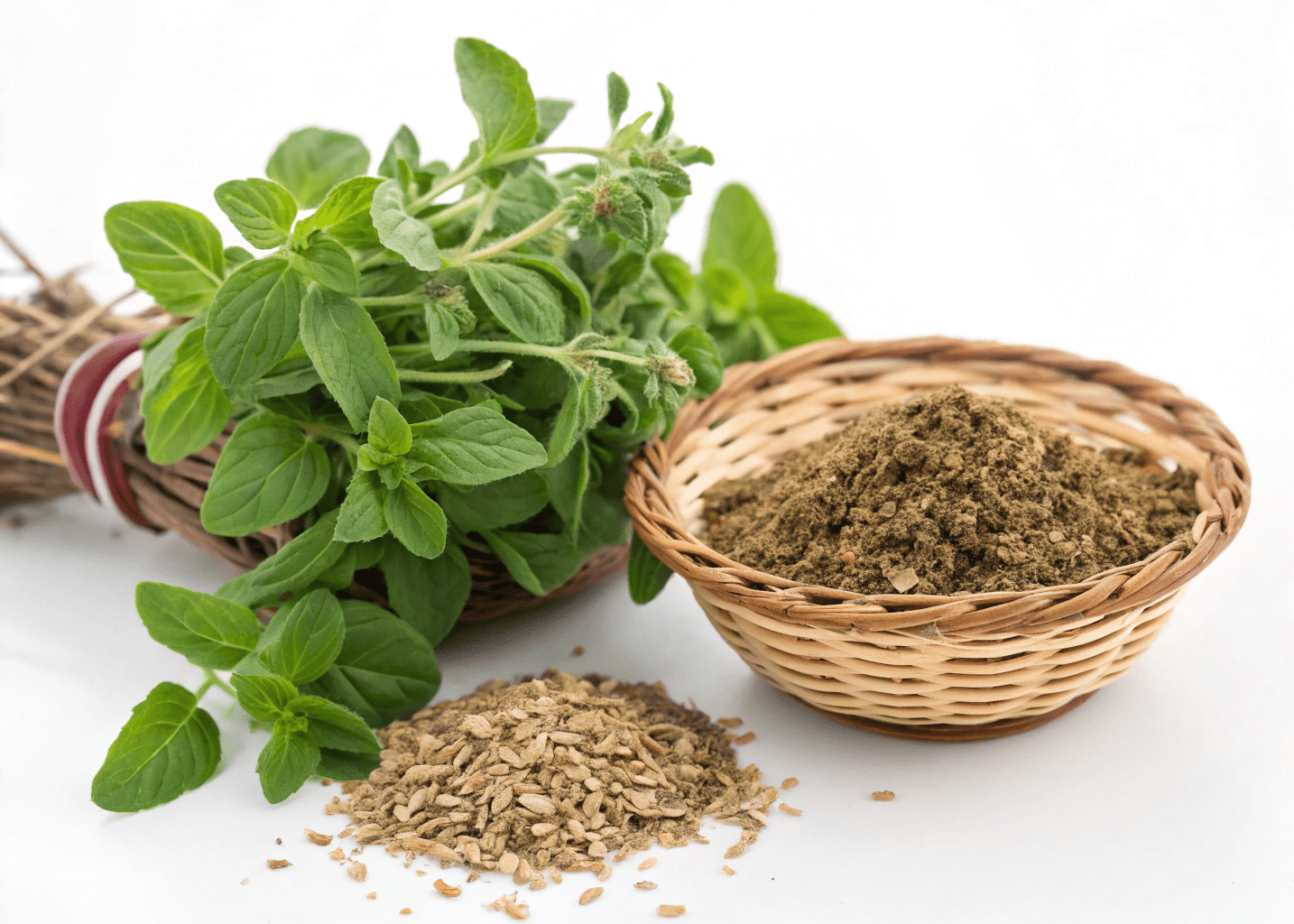

Marjoram, a member of the mint family, is a versatile herb that has been cherished for centuries for its aromatic and slightly sweet flavor.
Originating from the Mediterranean region, this herb is a staple in various cuisines, particularly in Italian, Greek, and Middle Eastern dishes.
Known for its delicate, warm taste, marjoram can elevate a wide range of recipes, from meats and stews to vegetables and sauces.
Flavor Profile Of Marjoram
Marjoram’s flavor is often described as milder than its close relative, oregano.
It possesses a sweet, floral aroma with hints of citrus and pine, making it an excellent addition to many savory dishes.

The subtlety of marjoram allows it to complement rather than overpower other ingredients, making it ideal for seasoning soups, roasted meats, and vegetable medleys.

Fresh Verses Dried Marjoram
When it comes to using marjoram in cooking, both fresh and dried forms have their places.
Fresh marjoram leaves are tender and fragrant, offering a bright flavor that is perfect for garnishing dishes or adding at the end of cooking.

They are best used in marinades, like with this Roasted Herb Chicken In Red Wine, salads, dressings, and ad a finishing touch for soups and stews.

On the other hand, dried marjoram is more concentrated and has a more robust flavor profile.
It is ideal for long-cooking dishes, such as braises and slow-cooked recipes, where the heat allows the flavors to meld beautifully.
When substituting dried for fresh marjoram, a general guideline is 1 teaspoon of fresh marjoram would be approximately 1/3 teaspoon of dried marjoram.
Adjust according to taste, as the potency can vary depending on the freshness and quality of the dried herbs.
Herb Mix
Marjoram is a common component of herb blends such as Herbes de Provence (French spice blend) Za’atar (Middle Eastern spice blend), Italian seasoning and Poultry seasoning.

These blends highlight marjoram’s ability to complement other herbs such as thyme, oregano, and basil, creating a harmonious balance of flavors, with marjoram adding complexity and depth.

In Conclusion
Marjoram is a delightful herb that can elevate the flavors of your favorite recipes.
With its subtle sweetness and woodsy aroma, marjoram pairs beautifully with a variety of dishes, from savory soups and stews to fresh salads and tangy sauces.
Whether you’re using it fresh or dried, marjoram’s unique flavor can bring depth and warmth to your culinary creations.
Let marjoram inspire your next meal and enjoy the rich, memorable flavors it offers.
Craving Something New – Find Your Next Favorite Breakfast, Lunch, Brunch, Side Dish, Soup , Salad, Sandwich, Dinner And Dessert Recipes Here 👉🏽 Recipe Index
More Deliciously Yummy Recipes
- Roasted Sweet Potatoes With White Miso and Maple Syrup
- Guide To Cooking With Salt
- Fruit-Based Seasonings You Use Every Day Without Even Realizing It
- Easy Chicken Tinga Tostadas: A Flavor-Packed Mexican Classic with an Asian Twist
- Roasted Sweet Potatoes And Chickpeas with Feta, Pomegranate And Maple Tahini
Please Share With Your Social Network:

Discover more from Cook Plate Fork
Subscribe to get the latest posts sent to your email.