
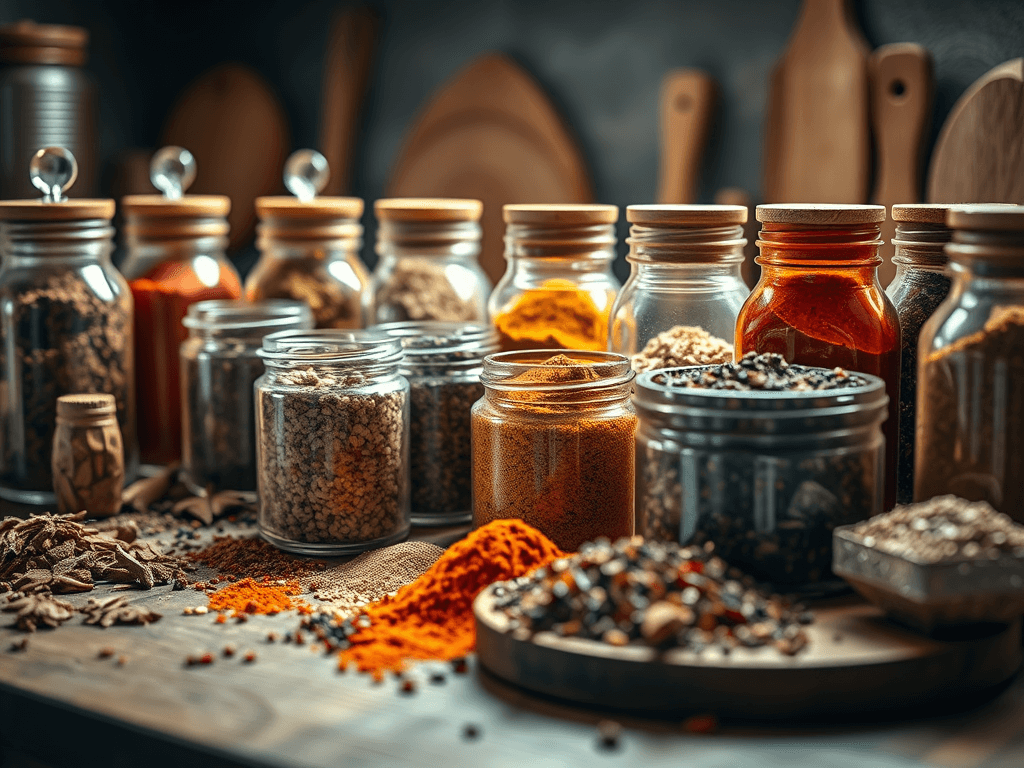

Spice blends are one of the easiest ways to unlock bold, memorable flavor in everyday cooking.
Whether you’re preparing a quick weeknight dinner or experimenting with global cuisines, having the right spice blends in your kitchen can instantly elevate simple ingredients into something special.
From warm and aromatic to bright and herbal, spice blends help streamline cooking while delivering complex flavors without extra effort.
In this guide, we’ll explore must-have spice blends for your kitchen, how to use them effectively, and tips for getting the most flavor out of every pinch.
What Is A Spice Blend
spice blend is a carefully curated mix of herbs and spices designed to deliver balanced flavor in a single shake or scoop.
These blends can range from earthy and aromatic to hot, smoky, or herbaceous, making it easy to add depth and character to dishes without measuring multiple ingredients.
Used across global cuisines, spice blends simplify cooking while offering consistent, well-rounded flavor.
They allow home cooks to season food confidently, whether enhancing roasted vegetables, grilled proteins, or slow-simmered meals.
Understanding what a spice blend is makes it easier to appreciate why these flavor-packed mixes are such an important part of everyday cooking.
Beyond convenience, spice blends help bring consistency, balance, and global inspiration into home kitchens—making meals more flavorful without adding complexity.
Why Spice Blends Are Essential in Everyday Cooking
Spice blends combine multiple spices and herbs into one balanced mix, saving time while ensuring consistent flavor.
Instead of measuring several individual spices, you can rely on one blend to season proteins, vegetables, and grains with confidence.
They’re especially helpful for:
- Busy home cooks who want quick flavor
- Beginners learning how spices work together
- Exploring global cuisines without buying dozens of jars
When used correctly, spice blends enhance food without overpowering it, making them a staple in any well-stocked kitchen.
Must-Have Spice Blends for Every Kitchen
Whether you’re a seasoned chef or a home cook looking to experiment, having a versatile collection of spice mixes can elevate your cooking game.
Here’s a list of spice mixes you need to try.
Garam Masala – Warm, Aromatic, and Versatile
A staple in Indian cuisine, meaning “hot spice,” is a classic spice blend known for its warm, fragrant profile.

Pakistani-Style Chicken Bhuna
For a practical example of how garam masala adds warmth and depth, try this Pakistani-Style Chicken Bhuna recipe, where the spice blend is layered into the dish to build rich, bold flavor.
If you’re interested in making your own blend at home, this guide on How To Make Garam Masala walks through the process step by step.
Common spices include cumin, coriander, cardamom, cinnamon, and cloves.
Unlike some spice mixes, garam masala is often added toward the end of cooking to preserve its aroma.
Best uses:
- Lentils and chickpea dishes
- Roasted vegetables
- Chicken and lamb curries
A small amount goes a long way, adding depth without heat.
Garam Masala is an integral part to Indian cooking, offering warmth and depth to dishes. It’s a versatile blend that showcases the richness and diversity of Indian spices.
Za’atar – Bright, Herbal, and Savory
Za’atar is a Middle Eastern blend typically made with thyme, sumac, sesame seeds, and salt. It has a tangy, nutty flavor that works beautifully as both a seasoning and a finishing touch.
This Middle Eastern mix combines thyme, sumac, sesame seeds, and salt. Variations could include oregano, marjoram, or cumin.
Best uses:
- Sprinkled over flatbreads with olive oil
- Seasoning for roasted meat and vegetables
- Mixed into yogurt or labneh
- Seasoning for Scrambled eggs

Middle Eastern-Style Chicken And Sweet Potato Salad With Pomegranate Dressing
For a fresh, flavorful way to use za’atar, try this Middle Eastern-Style Chicken And Sweet Potato Salad With Pomegranate Dressing guide, where the blend’s tangy, herbal notes pair beautifully with roasted vegetables and tender chicken.

Orange Pomegranate Za’atar Chicken Marinade
Za’atar is a great seasoning for scrambled eggs. Or use it as an Orange Pomegranate Za’atar Chicken Marinade.
Herbes de Provence – A Classic French Blend
Herbes de Provence is an herbal blend traditionally featuring thyme, rosemary, oregano, marjoram, and sometimes lavender. It delivers a clean, aromatic flavor associated with southern French cooking.
Best uses:
- Roast chicken, fish, lamb, pork
- Grilled vegetables
- Potatoes and egg dishes
This blend pairs especially well with olive oil and slow roasting.

Herb-Crusted Blueberry Goat Cheese Stuffed Chicken Breasts
Use as a rub in this flavorful Herb-Crusted Blueberry Goat Cheese Stuffed Chicken Breasts.
Its ability to enhance dishes with its aromatic and flavorful profile makes it a cherished addition to any kitchen pantry.

French Potato Salad With A Dijon Vinaigrette & Fines Herbes
Whether you’re a fan of French cuisine or simply love experimenting with new flavors, Herbes de Provence is a must-try with this French Potato Salad With A Dijon Vinaigrette & Fines Herbes.
Ras el Hanout – Bold and Complex
Ras el Hanout is a North African spice blend known for its depth and complexity.
Often translated as “head of the shop,” Ras el Hanout is a premium blend of spices that represents the best a spice merchant has to offer, capturing the essence of North African cuisine.
It may include cumin, coriander, cinnamon, paprika, ginger, and cloves, among others.
Best uses:
- Stews and tagines
- Rice and couscous
- Lamb, chicken, or hearty vegetables
Because of its intensity, start with a small amount and adjust to taste.
Ras el hanout’s layered spices shine in slow-cooked and oven-roasted dishes.

Moroccan Baked Chicken Thighs With Broccoli
For delicious inspiration, try Moroccan Baked Chicken Thighs with Broccoli, the comforting Moroccan-Style Chicken & Rice, or the fragrant Moroccan Chicken with Olives and Preserved Lemons, where this bold spice blend brings depth and warmth to every bite.

Moroccan Chicken With Olives and Preserved Lemons
Ras el Hanout is more than just a spice mix, it’s a reflection of North Africa’s rich culinary heritage.
How to Use Spice Blends Without Overpowering Your Dishes
To get the best results from spice blends:
- Start small and build flavor gradually
- Bloom spices in oil to deepen their aroma
- Finish wisely—some blends taste best added at the end
Avoid using multiple spice blends at once unless you’re confident they complement each other.
Best Foods to Pair with Popular Spice Blends
- Poultry: Garam masala, ras el hanout
- Seafood: Herbes de Provence, za’atar
- Vegetables: All four blends depending on roasting or sautéing
- Grains & legumes: Garam masala and ras el hanout add depth
Matching spice blends to the right ingredients helps flavors feel intentional and balanced.
Homemade vs Store-Bought Spice Blends
Store-bought blends are convenient and consistent, while homemade blends offer customization and freshness.

How To Make Garam Masala
If making your own, buy whole spices and grind them as needed for maximum flavor. This guide on How To Make Garam Masala walks through the process step by step.
Both options (homemade or store-bought) work well—what matters most is freshness and proper storage.
How to Store Spice Blends for Maximum Flavor
- Store in airtight containers
- Keep away from heat and direct light
- Replace blends every 6–12 months
Fresh spice blends deliver noticeably better flavor than older ones.
Frequently Asked Questions About Spice Blends
How long do spice blends stay fresh?
Most spice blends stay flavorful for up to one year when stored properly.
Can spice blends replace individual spices?
Yes, especially for everyday cooking and quick meals.
Are spice blends healthy?
Most are made from herbs and spices with no additives—just check labels for salt content.
Can I cook with spice blends every day?
Yes, spice blends are perfect for everyday cooking and can help keep meals flavorful and varied without extra effort.
Rotating different blends and understanding how they interact with ingredients prevents flavors from becoming repetitive.

Mastering Spice Pairings For Flavorful Dishes
This guide, Mastering Spice Pairings For Flavorful Dishes, offers practical tips for using spice blends thoughtfully across proteins, vegetables, and grains so everyday meals stay balanced and exciting.
Should spice blends be toasted before use?
Some benefit from light toasting, but many are best used as-is.
What’s the best spice blend for beginners?
For beginners, versatile blends like garam masala or herbes de Provence are a great place to start because they’re balanced and easy to use across many dishes.

Mastering Flavor Profiles Through Spice Pairing: A Guide to Creating Balanced and Dynamic Dishes
Learning how different spices work together can also build confidence in the kitchen—this guide, Mastering Flavor Profiles Through Spice Pairing: A Guide to Creating Balanced and Dynamic Dishes, is a helpful resource for understanding how to create harmony and depth when cooking with spice blends.
Final Thoughts on Building a Flavor-Focused Kitchen
Keeping a thoughtful selection of spice blends on hand makes cooking more enjoyable and creative.
With just a few well-chosen blends, you can explore new cuisines, simplify meal prep, and add depth to everyday dishes—no complicated techniques required.

Want to go deeper into spice pairing and flavor swaps? Explore our Spices & Flavors Guide and learn how to substitute herbs, spices, and chilies like a pro.
Still hungry? These recent recipes are ready when you are.
More Deliciously Yummy Recipes
- Moist Gluten-Free Almond Flour Strawberry Banana Muffins
- 3 Flavorful and Easy Persian Recipes for Beginners
- Instant Pot Ash Reshteh (Persian Herb, Bean and Noodle Soup)
- Blueberry Lavender White Chocolate Bread Pudding
- Sweet Potato Kale and Farro Salad With A Orange Tahini Dressing
Please Share With Your Social Network:

Discover more from Cook Plate Fork
Subscribe to get the latest posts sent to your email.