
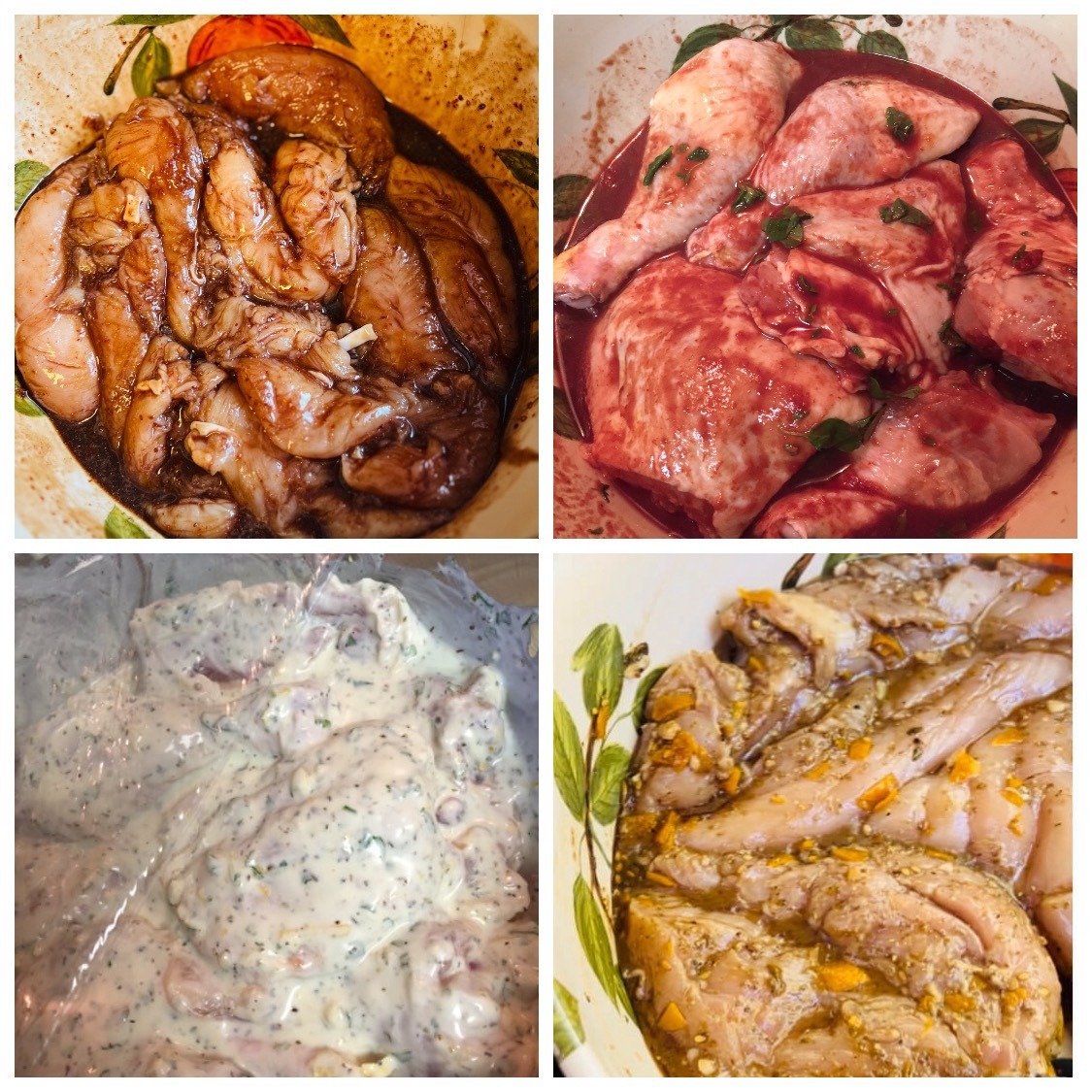

Marinating is an age-old practice. Soaking food, particularly meat, in a highly seasoned liquid remains as common in contemporary kitchens as it was for cooks in ancient times.
The primary purpose has evolved from preserving food to enhancing flavor, tenderness, and juiciness.
Marinating is a simple way to season meat. Combine a few ingredients, immerse the meat, let it rest, and then cook.
The more you experiment with marinades, the more you’ll see recurring patterns in their structures. Every component, from seasonings to meat cuts, serves a purpose. Learning these principles empowers you to create your own unique marinades.
Marinades have the power to enhance the tenderness, juiciness, and flavor of meat, poultry, and seafood.
However, you can’t simply mix random ingredients and anticipate delicious results. A perfect marinade requires good culinary chemistry.
What A Marinade Can Do And Not Do
A marinade serves primarily as a medium for salt, functioning essentially as a brine. This seasoned liquid delivers salt into the meat, enhancing its flavor and altering the protein structure to ensure tenderness and juiciness during cooking.

In addition, marinades excel at seasoning the meat’s surface, where flavorful liquids, fats, herbs, spices, aromatics, and sweeteners can adhere effectively.

Most flavor molecules don’t penetrate deeply, as they are fat-soluble and thus repelled by the meat’s water content.
While water-soluble flavors that can penetrate tend to be large, limiting their reach to only a few millimeters.
The Essential Ingredients Needed
Flavor Base
Flavors in the base coat the surface of the meat, while the water in the mixture dissolves water-soluble seasonings, such as salt, allowing them to spread evenly throughout the liquid and onto the food.

Consider using juice, wine, vinegar, and beer among other options.
Salt
When salt dissolves in water, it breaks down into sodium and chloride ions, which gradually penetrate the meat.
The sodium ions enhance the meat’s flavor, while the chloride ions help prevent the proteins from becoming overly tight during cooking, thereby maintaining the meat’s juiciness.

Cooking Oil
Oil dissolves fat-soluble flavors found in spices and herbs, allowing them to spread throughout the liquid and onto the food.

Additionally, a light coating of oil aids in even browning of the meat and helps prevent it from sticking.
Sugar
Sugar browns easily at fairly low temperatures (250 degrees), making it particularly useful in a marinade.
It helps the meat form an appealing, flavorful crust without the interior becoming overcooked, even with the added moisture.
Various sweeteners can be used, including granulated sugar, brown sugar, honey, molasses, pomegranate molasses and fruit juice concentrate.

Additional Flavorings
Herbs and spices play a key role in seasoning the surface of the meat.
Meanwhile, ingredients like sugar, garlic, and glutamates found in soy sauce, fish sauce, tomato paste, and miso can penetrate slightly deeper into the meat.

Maximize The Surface Area
Because marinades mainly affect the surface, it’s best to select a cut of meat with ample surface area or to slice, pound, or cube the meat to increase its exposure.

Use a sharp knife and always cut against the grain.
Cutting meat against the grain is a technique that enhances tenderness and taste.
By shortening muscle fibers, it creates bite-sized pieces that are more tender and easier to chew.

Marinate For 60 Minutes
An hour typically suffices for the seasonings to infuse the surface of the meat with flavor, but marinating for a longer duration allows salt and some seasonings, like sugar and glutamates, to penetrate deeper.
However, remember that a highly acidic marinade, such as those containing citrus juice or vinegar, will gradually break down surface proteins, resulting in a softer texture when cooked.
Minimize Moisture When Cooking
Unless a marinade includes sugar or other components that promote color development, it is best to eliminate surface moisture to aid in browning the meat during cooking.
First use a paper towel to whip most the marinade from the meat.
Secondly, grilling or searing at high heat will rapidly evaporate any remaining moisture.
Delicious Marinades
These convenient pantry marinades will add bold flavor to about 1 – 2 pounds of beef, pork, chicken or fish.
Orange Pomegranate Za’atar Marinade For Chicken

Juice and zest of 1 Cara Cara orange
2 tablespoons pomegranate molasses
1 clove garlic, minced for extra flavor
1 tablespoon green za’atar
2 tablespoons olive oil
1 teaspoon salt
1/2 teaspoon freshly ground black pepper
In a mixing bowl, combine the Cara Cara orange juice and zest, pomegranate molasses, garlic, olive oil, green za’atar, salt, and pepper.
Whisk the ingredients together until well combined. The mixture should have a balanced consistency that coats the chicken nicely.
Hickory Smoked Marinade For Beef

3 tablespoons balsamic vinegar
1/2 cup soy sauce
2 tablespoons garlic powder
2 tablespoons brown sugar
1 teaspoon freshly ground black pepper
1 teaspoon onion powder
1 teaspoon Worcestershire sauce
1/2 teaspoon liquid smoke, preferably hickory, but your choice
1/4 teaspoon ginger powder
Whisk together the marinade ingredients.
Pat dry the chuck steak with a paper towel. Pierce the meat several times with a fork.
Using a basting brush, brush on several strokes of the marinade making sure to fill the scored or pierced holes.
Place meat in an airtight container and refrigerate for 3-4 hours.
Marinade For Lamb Chops

1 cup fresh cilantro
1 cup fresh parsley
4 garlic cloves chopped
1 teaspoon ground cumin
1 teaspoon ground paprika
1 teaspoon dried thyme
Pinch of ground turmeric
1 cup olive oil
½ cup lemon juice
1 large pinch of red pepper flakes
Salt and freshly ground black pepper
Season the lamb chops with salt and place in a shallow dish.
For the marinate combined the cilantro, parsley, garlic, cumin, paprika, thyme, turmeric, oil, lemon juice, and pepper flakes in a food processor and process until smooth. Season to taste with salt and pepper.
Pour three-quarters of the chermoula over the lamb and rub in. Cover and let marinate for up to 10 hours in the refrigerator.
Marinade For Salmon

2 slices two of ginger root
3 tablespoons dark coconut amino sauce
1 tablespoon sesame oil
1/2 teaspoon of red chili flakes
Pinch of freshly ground black pepper corns
1 or 2 tablespoons coconut oil
Marinate the salmon in the ginger, sesame oil, coconut amino sauce, red chili flakes and black pepper for 30 minutes to 3 hours prior to cooking.
Pineapple Miso Marinade For Pork

1 cup fresh pineapple chunks (or canned pineapple, drained)
1 tablespoon white miso paste
1 tablespoon honey
1 tablespoon soy sauce
1 tablespoon rice vinegar
1 teaspoon sesame oil
1 clove garlic, minced
1/2 teaspoon grated ginger
In a bowl, whisk together soy sauce, brown sugar, minced garlic, grated ginger, sesame oil, and rice vinegar.
Season the pork chops with salt and pepper, then place them in a resealable plastic bag or a shallow dish.
Pour the marinade over the pork chops, ensuring they are well-coated. Seal the bag or cover the dish and refrigerate for at least 1 hour, ideally overnight for maximum flavor
Read More About Marinating Here 👇🏼

Craving Something New – Find Your Next Favorite Breakfast, Lunch, Brunch, Side Dish, Soup , Salad, Sandwich, Dinner And Dessert Recipes Here 👉🏽 Recipe Index
More Deliciously Yummy Recipes
- Moist Gluten-Free Almond Flour Strawberry Banana Muffins
- 3 Flavorful and Easy Persian Recipes for Beginners
- Instant Pot Ash Reshteh (Persian Herb, Bean and Noodle Soup)
- Blueberry Lavender White Chocolate Bread Pudding
- Sweet Potato Kale and Farro Salad With A Orange Tahini Dressing
Please Share With Your Social Network:

Discover more from Cook Plate Fork
Subscribe to get the latest posts sent to your email.