
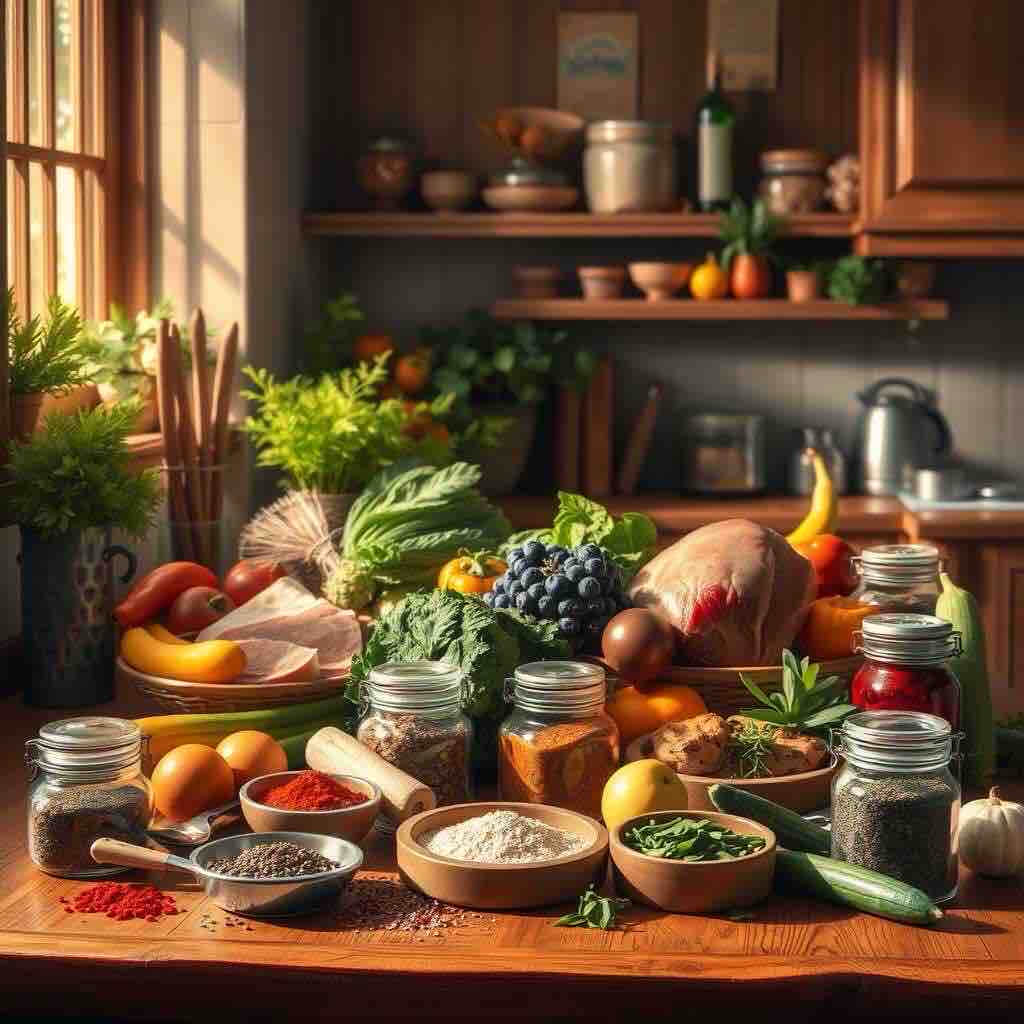

Embarking on a culinary adventure often involves more than just following a recipe, it requires the art of pairing ingredients with the right spices to create a harmonious and mouthwatering dish.
Having the knowledge and understanding of which spices complement each other and the ingredients they are mixed with can transform your cooking and open up a world of flavor possibilities.
Understanding the Basics of Spice Pairing
Spice pairing is not just about adding flavor to a dish, it involves recognizing how combining spices can complement and enhance the natural flavors in a dish.

It’s about creating balance and depth, bring out hidden notes, as well as add complexity to your meals.
Identify Flavor Profiles
We all know that the 5 basic tastes include, sweet, sour, salty, bitter, and umami (read more here: Cooking With The Flavor Umami).
If you want to amplify or balance these tastes, you need to identify flavor profiles.
For example, cinnamon and nutmeg adds warmth and sweetness, to an apple sauce.


The combination of cumin, coriander, and paprika contribute distinct flavors and aromas, including a warm, earthy, and citrusy taste with a hint of heat or spice. Try this Mediterranean Dish Shakshuka.
Know Your Spices
Familiarize yourself with the flavors and aromas of different spices.

For example, coriander provides a citrusy note, while cumin is earthy, and cloves are more pungent.
Others include basil, parsley, rosemary, thyme, cilantro, sage and dill weed among many others.
Cultural Combinations
A great way to learn spice blending is learning from traditional spice blends used in various cuisines.
For instance, garam masala used in Indian cooking, known for its warm, aromatic, and slightly sweet flavor.
It’s a blend of cumin, coriander, cardamom, cloves, black pepper, cinnamon and nutmeg (Read more here – How To Make Garam Masala).

There is za’atar, a Middle Eastern spice blend, known for its aromatic and savory flavor, typically consisting of a mixture of dried thyme, sumac, sesame seeds, and salt. Try this Grilled Za’atar Chicken With Garlic Yogurt And Cilantro.

And there is Harissa, a North African spice blend, known for its bold, spicy, and complex flavor.
It’s a combination of dried red chilies, garlic, cumin, coriander, caraway, and paprika. Try this North African-Style Harissa Orange Chicken Thighs.

Herbes de Provence is a classic French spice blend known for its fragrant and aromatic qualities. It typically includes a combination of dried herbs that are commonly found in the Provence region of France.
The spice blend includes savory, marjoram, rosemary, thyme, and oregano.
Some versions may also include culinary lavender buds, which add a floral note, although this is not always traditional.
Herbes de Provence is commonly used to season meats, vegetables, and stews, and it pairs especially well with grilled foods and Mediterranean dishes.

Balancing Heat
Balancing heat in a dish involves managing the level of spiciness to ensure it enhances the flavors of other ingredients without overwhelming them.
The heat levels of spices like cayenne pepper or chili flakes, among others, can be tempered with cooling ingredients like yogurt, milk, cream, or cheese due to their cooling properties.
Adding a touch of sugar, honey, or fruit can balance out the heat by providing a contrasting sweetness.
Fresh herbs such as cilantro, mint, or basil can add freshness and help counterbalance spiciness.

Experiment with Spice Pairing
Experimenting with spice pairing is an exciting way to enhance and diversify your cooking.
By experimenting with different spice pairings or blends you can create unique flavor profiles and elevate your cooking to new heights.
Try combining spices with similar flavor profiles, like cardamom and ginger for warmth. Like with this Apricot Cardamom Pork Meatballs.


Or contrasting profiles, such as sweet cinnamon with spicy cayenne to create depth and complexity. Try this Butternut Squash With Cranberries, Almonds And Caramelized Onions.
Use Aromatics
Aromatics are key to building layers of flavor and are used in various combinations.
Incorporating aromatic spices into your cooking can significantly enhance the flavor and aroma of your dish.
Aromatics are typically whole dried spices, which include cumin seeds, coriander seeds, fennel seeds, cinnamon sticks, anise star, among many others.
Aromatics are toasted to release their essential oils. Are then ground just before using them to preserve their aromatic qualities.

Toasting Fresh Aromatics
Add freshly toasted, ground aromatics to hot oil at the beginning of cooking to release their flavors. This technique, often used in Asian cooking, helps infuse the spices into the dish.

Try This – Asian Spicy Poached Chicken – Infused With Fresh Toasted Aromatics
Freshly ground spices have a more potent aroma and flavor than purchased pre-ground ones.
By mastering these basics, you can begin to create dishes that are flavorful, balanced, and uniquely your own.
More Reading On Cooking With Spices
- How To Cook With Herbs and Spices
- Mastering Spice Pairings For Flavorful Dishes
- Cooking With Aromatics
Follow Cook Plate Fork On Social Media For More Ideas:
More Deliciously Yummy Recipes
- Moist Gluten-Free Almond Flour Strawberry Banana Muffins
- 3 Flavorful and Easy Persian Recipes for Beginners
- Instant Pot Ash Reshteh (Persian Herb, Bean and Noodle Soup)
- Blueberry Lavender White Chocolate Bread Pudding
- Sweet Potato Kale and Farro Salad With A Orange Tahini Dressing
Please Share With Your Social Network:

Discover more from Cook Plate Fork
Subscribe to get the latest posts sent to your email.