
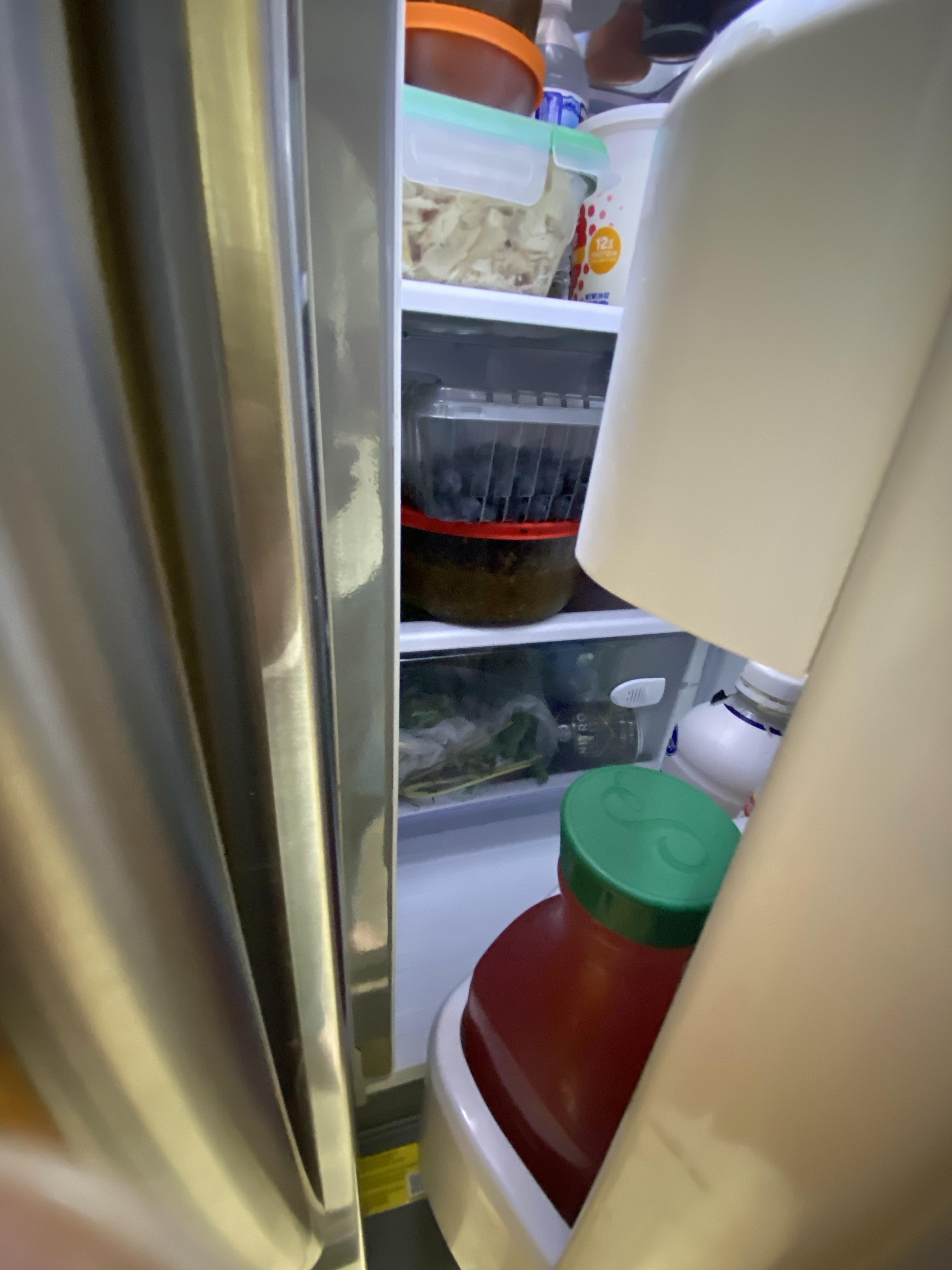

In a world where refrigeration is often taken for granted, it’s easy to forget that many foods thrive just as well, if not better, outside the confines of the fridge.
Whether you’re looking to save space, reduce energy consumption, or simply embrace the natural flavors and textures of your ingredients, understanding which foods don’t require refrigeration is key.
From pantry staples to fresh produce, these foods not only maintain their quality but often improve in taste when stored at room temperature.
In this guide, we’ll explore the fascinating world of non-refrigerated foods, offering insights into their storage and tips on how to make the most of these kitchen essentials.
Discover how to keep your pantry vibrant and efficient with foods that stand the test of time without the chill.
Foods That Don’t Need Refrigeration: A Complete Guide
Here are some foods that do not require refrigeration.
Bread
Storing bread in the refrigerator might seem like a good idea to keep it fresh, but it actually has the opposite effect.
The main reason is due to a process called “retrogradation,” where the starch molecules in bread begin to crystallize at cooler temperatures, which accelerates the staling process.

Refrigeration can also cause the bread to lose moisture more quickly, leading to a dry and crumbly texture.
For optimal freshness, it’s best to store bread in a bread box, a paper bag, or wrapped in a clean cloth at room temperature.
If you need to keep bread for an extended period, consider freezing it instead. Freezing halts the staling process, preserving both the texture and flavor, and it can be thawed as needed.
Honey
Storing honey in the refrigerator is unnecessary and can actually affect its quality in a negative way.
Honey naturally crystallizes over time, but refrigeration accelerates this process.
In the fridge, the lower temperatures cause the glucose in honey to separate from water, forming crystals.
While crystallized honey is still safe to eat, it can become thick and grainy, making it difficult to spread or pour.

If you prefer honey that flows easily, gently warming it between 95 and 104 degrees Fahrenheit helps return it to a pourable state — a technique we explain in detail in Cooking & Baking With Honey.
Honey is naturally preserved and has an incredibly long shelf life due to its low moisture content and acidic pH, which inhibit bacterial growth.
This means it doesn’t need refrigeration to stay safe and fresh.
For best results, store honey in a tightly sealed container in a cool, dry place away from direct sunlight. Do not store in a cupboard above the stove.
If your honey has crystallize, you can gently warm it in a bowl of warm water to return it to its liquid state.
Potatoes
Cold temperatures cause the starches in potatoes to convert into sugars more quickly. This can lead to an overly sweet taste and may affect the texture when cooked, making them less desirable for certain dishes.
The sugar conversion process can make potatoes texture gritty or overly soft when cooked. This is particularly noticeable in fried or roasted potatoes, where you want a consistent texture.
Understanding how storage affects potatoes can make a noticeable difference in how they cook, which we explain further in our guide to Cooking With Potatoes.

Potatoes that have been stored in the fridge and cooked at high temperatures (like frying or baking), the increased sugar content can lead to the formation of acrylamide, a potentially harmful chemical compound (Source: Acrylamide and Diet, Food Storage, and Food Preparation).
Refrigeration can introduce moisture, leading to faster spoilage and the potential for mold growth.
Potatoes are best kept in a cool, dry, and dark place with good ventilation, such as a pantry or a cellar.
For optimal storage, keep potatoes in a paper or mesh bag to allow air circulation, and store them away from onions, as onions can cause potatoes to spoil more quickly.
Onions and Garlic
The refrigerator’s cool and humid environment can cause onions and garlic to absorb moisture, leading to mold and spoilage. This moisture can also make onions soft and mushy.
They lose their crisp texture and pungent flavor as well when stored in the fridge.

Onions and garlic thrive in a dry environment, where they maintain their natural flavor and crunch.
For optimal storage, keep onions and garlic in a cool, dry, and well-ventilated place, such as a pantry.
Use mesh bags or baskets that allow air circulation to prevent moisture build-up.
Proper storage plays a key role in preserving the flavor and texture of onions, which we cover in more detail in Essential Tips for Proper Onion Storage.
Apples and Pears
Apples and pears continue to ripen after being picked, and this ripening process enhances their flavor and sweetness.
Refrigeration can slow this process, leading to fruits that are less flavorful and aromatic.

Store apples at room temperature in a fruit bowl or a well-ventilated basket, away from direct sunlight and heat sources.
Understanding how ripening affects apples and pears can help you use them at their best, which we explore further in The Versatile Apple: A Culinary Staple Across the Globe.

Store unripe pears at room temperature to allow them to ripen. Once they are ripe, they can be stored in the refrigerator extend their shelf life. Keep them in the crisper drawer or in a perforated plastic bag.
Apples and pears alike, produce ethylene gas, which can speed up the ripening of other fruits.
Store them separately and away from other fruits and vegetables to prevent premature ripening or spoilage.
Nuts and Seeds
Proper storage of nuts and seeds is essential to maintain their freshness and flavor.
Store nuts and seeds in airtight containers, in a cool, dark place such as a pantry or cupboard to protect them from heat and light, which can cause them to spoil or go rancid.
For longer-term storage, consider keeping them in the refrigerator. They can be stored in the freezer as well up to a year without losing quality.
Nuts and seeds that are an exception to the rule are walnuts, pine nuts, sesame, flaxseed and sunflower seeds.
They all have higher oil content, and are prone to going rancid much quicker than their counterparts. Therefore, they need to be store in the fridge.

Canned Goods And Condiments
As long as they remain sealed, canned goods can be stored at room temperature. But once the can has been opened, store any unused portion in a food grade container in the refrigerator.
Use the unused portion within 2-3 days. Do not store food in an opened can.
Once opened, condiments can be kept at room temperature. While refrigeration can help maintain quality, it is not strictly necessary to refrigerate them.
Due to their acidity content, high sugar content or high salt content they can be stored at room temperature.
These condiments include, mustard, ketchup, jellies, jams and soy sauce. Most hot sauces contain vinegar and can be stored outside the fridge as well.
Cooking Oils
Proper storage of cooking oils is crucial to maintaining their flavor, quality, and shelf life.
Store cooking oils in a cool, dark place, such as a pantry or cupboard. Exposure to light and heat can cause oils to oxidize and become rancid more quickly.
Whenever possible, keep oils in their original containers, which are often designed to protect against light, such as olive oil. If transferring to another container, choose one that is dark and opaque.

Specific Storage Instructions For Cooking Oils
Olive Oil
Store in a dark, cool place. Use within a few months of opening, as olive oil tends to degrade faster than some other oils.
Vegetable and Canola Oil
These can be stored in a pantry for up to a year if unopened. Once opened, use them within six months for optimal quality.
Nut and Seed Oils
Walnut, sesame and flaxseed oils are more delicate and prone to rancidity.
Consider storing them in the refrigerator to extend their shelf life.
They may become cloudy in the fridge, but this doesn’t affect quality and will clear up at room temperature.
Coconut Oil
Coconut oil is solid at temperatures below 76 degrees and becomes liquid at warmer temperatures, but this change doesn’t affect its quality.
Store coconut oil in a cool, dark place.
Pay attention to the expiration date and try to use cooking oils within 6-12 months of opening to ensure freshness.
Regularly check the oil for any off smells or flavors, which can indicate that it has gone bad.
Dried Spices and Herbs
Store dried spices and herbs in a cool, dark place, such as a pantry or cupboard, to protect them from light and heat, which can degrade their flavor and potency.
Keep them away from humidity and moisture, which can cause clumping and mold. Do not store them near the stove or dishwasher.
Whole spices tend to retain their flavor longer than ground ones. If possible, buy whole spices and grind them as needed.
Dried herbs can last for quite a while, but their potency and flavor diminish over time. It is recommended to replace them every 6-8 months.

Peanut Butter
To store peanut butter properly and maintain its freshness, you can follow these guidelines.
Room Temperature
Store unopened peanut butter in a cool, dry place, like a pantry or cupboard. Once opened, it can still be kept at room temperature, tightly sealed, for about 1-3 months.
Refrigeration
For longer freshness, especially for natural peanut butter (which tends to separate), refrigeration is recommended. This helps prevent oil separation and extends the shelf life. It’ll be more difficult to spread when cold, so you might want to let it sit at room temperature for a bit before using it.
Sealing
Always ensure the lid is tightly sealed after each use to prevent exposure to air, which can cause the peanut butter to go rancid more quickly.
Use Clean Utensils
Always use clean utensils when scooping out peanut butter to avoid introducing bacteria or other contaminants.
Unripe Bananas
To store unripe bananas and help them ripen properly, follow these steps.
Room Temperature
Store unripe bananas at room temperature, away from direct sunlight and heat sources. This will allow them to ripen naturally over a few days.
Separation
Keep bananas separated from other fruits. Many fruits release ethylene gas, which speeds up ripening. If you want to delay ripening, keep bananas away from other fruits.
Hanging
If possible, hang the bananas on a banana hanger. This helps prevent bruising and promotes even ripening.

Paper Bag Method
If you want to speed up the ripening process, place the bananas in a paper bag with an apple or a ripe banana. The ethylene gas released will help them ripen faster.
Avoid Refrigeration
Do not refrigerate unripe bananas, as the cold temperature can interfere with the ripening process. Once ripe, you can refrigerate them to slow down further ripening, but the skin may turn brown.

Remember, the storage conditions might vary slightly depending on the climate and the specific brand or type of food product. Always check the packaging for specific storage instructions.
In this article we noted a few foods that do not need refrigeration, though there are numerous foods that do not require refrigeration.
By keeping these items on hand, you can ensure a versatile and long-lasting pantry that is both economical and efficient.
Embracing non-refrigerated foods can also help reduce energy consumption and reliance on refrigeration, contributing to more sustainable living practices.
Embrace the flexibility and reliability of non-refrigerated foods to enhance your culinary experience and streamline your food storage.
More Deliciously Yummy Recipes
- Cooking With Tortellini Pasta: 11 Delicious Ways to Transform This Versatile Ingredient
- Creamy Caramelized Onion Tortellini
- Moist Gluten-Free Almond Flour Strawberry Banana Muffins
- 3 Flavorful and Easy Persian Recipes for Beginners
- Instant Pot Ash Reshteh (Persian Herb, Bean and Noodle Soup)
Please Share With Your Social Network:

Discover more from Cook Plate Fork
Subscribe to get the latest posts sent to your email.