
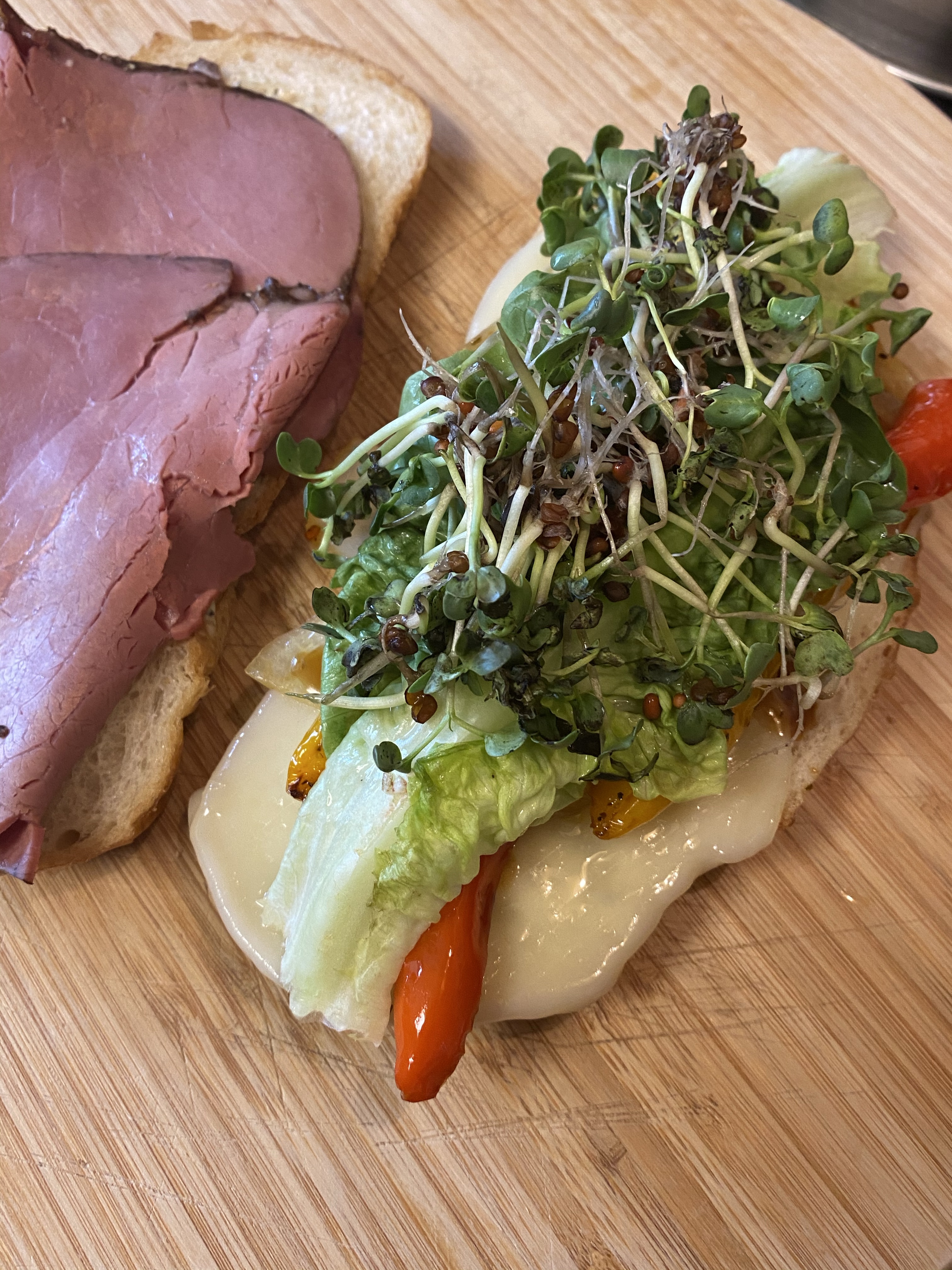

Microgreens are young vegetable greens that fall somewhere between sprouts and baby leaf vegetables.
Sprouts are technically the newly germinated seeds, while the microgreens are the 1-2 week-old youngster seedlings.
Sprouts grow more like a fungus, as they are provided with high humidity, an enclosed area, and a low light environment.
Whereas, microgreens grow more like a plant. It absorbs nutrients directly from the seed, soil, or nutrients added to water (if grown hypotonic) and light (photosynthesis).

Microgreens are rich in potassium, zinc, magnesium, iron, and copper – all of which are essential nutrients for the health of your body.
According to studies that have been conducted on microgreens, they contain up to 40 times more nutrients compared to their fully mature counterparts.
This means that you can get the right amounts of nutrients that you need for optimal health by just adding a few microgreens servings into your diet.

What Do Mircrogreens Taste Like
As noted above, these tiny and edible greens that grow from vegetable and herb seeds pack a nutritional punch and are absolutely delicious.

Generally speaking, microgreens have an intense aromatic flavor.
Here is a small list of the most popular microgreens grown out of over 100 varieties and their description of taste.
• Alfalfa – Mild, nutty, crunchy, pea-like taste
• Arugula – Nutty, peppery
• Broccoli – Mild, crunchy, dense, slightly bitter
• Clover – Mild earthy, nutty, crunchy, juicy
• Cress – Peppery, tangy
• Daikon Radish – Strong, Peppery

• Dun pea – Slight sweet, crunchy, robust flavor
• Kale – Mild, subtly sweet, broccoli-like taste
• Kohlrabi – Mild, sweet
• Lentils – Mild bitter, pea-like taste
• Mung bean – Mild bean taste, slight buttery
• Wheatgrass – Mild sweet, bitter, grassy
How To Use Microgreens
Apart from their nutrition, microgreens also give plated dishes visual appeal that is as a result of their delicateness and vibrancy.

Microgreens are not only important in giving your dish an appealing look, but also adds taste and texture to the plated food.

Microgreens can be used as a sandwich stuffer, with wraps, burritos, salads, soups, topped on fried or scrambled eggs, and used in smoothies among many other uses.
Easy To Grow Year Round
The best part about growing microgreens is their ability to grow all year-round. You can grow them anywhere, whether you want to grow them indoors or in your garden.

Since you can grow them anywhere, you don’t have to wait for the right weather to set in so you can start growing them.
During summer, you can grow your microgreens anywhere as long as there is enough natural sunlight.
During the cooler seasons where sunlight hours are limited and temperatures drop below 40 degrees, you sprout the seeds in your home using a grow light to help them thrive.
More Deliciously Yummy Recipes
- How to Cook Store Bought Gnocchi: 5 Easy Methods for Perfect Texture Every TimeLearn how to cook store bought gnocchi with 5 easy methods for perfect texture every time—crispy, soft, or golden. Quick tips and mistakes to avoid!
- Cooking With Tortellini Pasta: 11 Delicious Ways to Transform This Versatile IngredientDiscover cooking with tortellini pasta, including easy methods, sauce pairings, and creative recipes like baked tortellini, soups, and pasta salads.
- Creamy Caramelized Onion TortelliniLearn how to make Creamy Caramelized Onion Tortellini with this easy, step-by-step recipe. Rich, cheesy, and full of flavor—perfect for cozy dinners!
- Moist Gluten-Free Almond Flour Strawberry Banana MuffinsEnjoy bakery-style Moist Gluten-Free Almond Flour Strawberry Banana Muffins made with simple ingredients, bursting with fresh fruit flavor and a perfectly soft crumb.
- 3 Flavorful and Easy Persian Recipes for BeginnersExplore 3 flavorful and easy Persian recipes for beginners, including a hearty herb soup, a sweet-and-savory omelette, and a classic rice pilaf. These authentic dishes are simple to make, packed with aromatic flavors, and perfect for bringing Persian cuisine into your home kitchen.
Please Share With Your Social Network:

Discover more from Cook Plate Fork
Subscribe to get the latest posts sent to your email.