
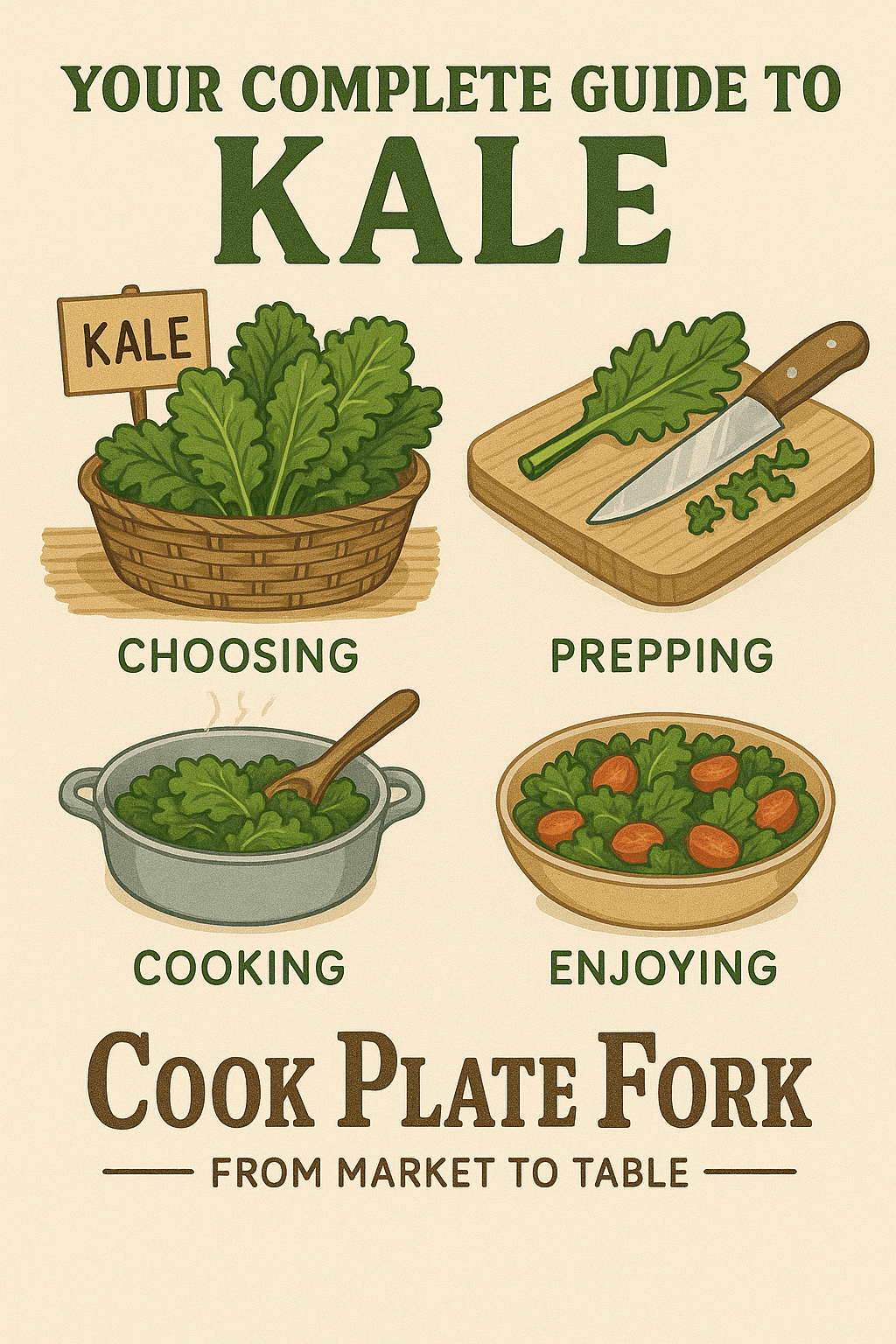

Kale is a versatile leafy green that has become a staple in modern cooking, with its culinary applications ranging from simple side dishes to complex salads and soups.
Kale possesses a naturally slightly bitter, earthy flavor profile with a hearty texture.
Kale’s flavor profile is what makes the leafy green adaptable across different culinary applications. In other words, kale is suitable for numerous cooking methods.
Apart from its inherent taste characteristics, there are different varieties of kale with each displaying distinctly different flavor characteristics.
Red Russian Kale, for instance, has a mild, sweet flavor that makes it particularly well-suited for fresh salads, where its tender leaves and gentler taste can shine without requiring cooking to soften its bitterness.

This varietal variation means that selecting the right type of kale for your intended application significantly impacts the final dish.
Another consideration is, the leafy greens flavor profile is not static but changes seasonally in ways that influence when and how it should be used.
Kale’s flavor and texture peak during cooler months, when it tends to be sweeter, making autumn and winter the ideal seasons for showcasing kale’s best qualities in both raw and cooked preparations.
During warmer months, the slight bitterness may be more pronounced, making it better suited for cooking methods that mellow and integrate that flavor into broader dishes.
Cooking Methods and Preparations
Sautéing
One of the easiest and most flavorful ways to cook kale is by sautéing it.
A quick toss in a hot skillet softens the leaves just enough while keeping their vibrant color and earthy bite.

Smoked Bacon Golden Beets and Kale Hash
As the kale wilts, it absorbs the flavors of whatever it’s cooked with—such as garlic, onions, or herbs.
Sautéing not only tames kale’s natural toughness but also builds a delicious base for hearty, wholesome dishes like this Sweet Chicken Sausage, Kale & Spaghetti Squash.

Braising and Stewing
Braising and stewing kale are similar, but there’s a small difference in how much liquid you use and the final texture.
Both methods cook kale slowly with liquid, which makes the leaves soft, flavorful, and easy to eat.
They’re great for tougher varieties like curly or lacinato kale because the gentle simmer helps break down the fibers.
Braising kale requires using just a little liquid—enough to create steam and lightly bathe the leaves.

With this method the kale stays structured and tender, not falling apart. Great when you want kale that still has some shape.
Stewing kale requires using more liquid, enough to partially or fully cover the kale. As the leafy green cooks it becomes softer and more broken down, blending into the soup or stew.
This method is ideal when the kale is meant to be part of a hearty mixture with beans, tomatoes, or broth.
As it cooks alongside other ingredients in the skillet such as chicken, apples, and aromatics, the kale becomes part of a rich and delicious mixture.


Raw Preparations
Kale is often enjoyed raw in salads, thanks to its sturdy leaves that hold up much better than delicate greens.
It pairs well with bright lemon dressings, chickpeas, avocado, Parmesan, and crunchy nuts, creating salads with plenty of flavor and texture.

Culinary Characteristics
Kale’s ability to hold its shape during cooking makes it particularly valuable in the kitchen. Unlike more delicate greens, kale’s leaves remain intact and provide substance to dishes.

Additionally, kale shrinks significantly during cooking, so recipes typically call for larger quantities than you might initially expect.

This characteristic requires careful attention when adding kale into soups or salad preparations.
Learn More From These In Season produce Guides


Craving Something New – Find Your Next Favorite Breakfast, Lunch, Brunch, Side Dish, Soup , Salad, Sandwich, Dinner And Dessert Recipes Here 👉🏽 Recipe Index
More Deliciously Yummy Recipes
- Cooking With Tortellini Pasta: 11 Delicious Ways to Transform This Versatile Ingredient
- Creamy Caramelized Onion Tortellini
- Moist Gluten-Free Almond Flour Strawberry Banana Muffins
- 3 Flavorful and Easy Persian Recipes for Beginners
- Instant Pot Ash Reshteh (Persian Herb, Bean and Noodle Soup)
Please Share With Your Social Network:

Discover more from Cook Plate Fork
Subscribe to get the latest posts sent to your email.
I made kale once and we thought it was bitter. It was many years ago, I should try it again.
Ya just making it with olive oil and lemon juice isn’t enough.
Kale is kind’a like the leafy dandelions – if you harvest them when mature or even in the summer, they are more bitter – but harvest young and early spring and fall their sweeter.
Same with kale early spring and fall harvest of produces sweeter leaves – summer harvest produces more bitter leaves – you can also try baby leaf kale – though those leaves are better for salads.
Russian red kale is naturally sweet – no need to cook, great for salads – Red Kale Beets and Sweet Cilantro Vinaigrette – https://cookplatefork.com/2015/06/22/red-kale-beets-and-sweet-cilantro-vinaigrette