

As the leaves turn vibrant shades of orange and gold, and the air becomes crisp, fall brings a bounty of seasonal produce that warms our hearts and appetites.
Among these treasures, pumpkin and winter squash stand out, offering a rich tapestry of flavors and culinary possibilities.
Pumpkin and winter squash are both members of the Cucurbitaceae family and share similar characteristics, but they have distinct differences in taste, texture, and culinary uses.
In this article, we’ll explore the culinary versatility of these gourds and highlight their nutritional benefits.


The Richness of Pumpkin and Winter Squash
Pumpkin, with its sweet, slightly fibrous flesh, is a staple of autumn festivities. It’s often associated with cozy pumpkin pies and festive decorations.

Winter squash, encompassing varieties like butternut, acorn, and spaghetti squash, boasts a creamier texture and a slightly nuttier flavor profile.

Both pumpkin and winter squash are packed with vitamins A and C, fiber, and antioxidants, making them not only delicious but also nutritious.
Cooking Techniques
Roasting
One of the best ways to bring out the natural sweetness of pumpkin and winter squash is roasting.

Roasting A Sugar Pumpkin To Make A Mexican Chocolate Pumpkin Pie
Cut a sugar pumpkin (skin on) into cubes or wedges, coat flesh side with olive oil and a little salt, and roast at 400°F (200°C) for 25-30 minutes until tender and caramelized.
Roast butternut squash removing the skin and cutting into cubs. Coat with olive oil, salt and pepper. Roast in 425 degree oven for 15-20 minutes or until browned and tender, but not mushy.

Preparing Butternut Squash For Roasting – once Roasted You Can Cook A – Rigate with Roasted Butternut Squash and Smoked Bacon or This Coconut and Butternut Squash Soup
Pureeing
Cooked pumpkin and squash can be pureed to create a smooth base for soups, sauces, or even desserts. This technique is perfect for making creamy soups or adding richness to baked goods.

Roasted Puréed Sugar Pumpkin With Real Maple Syrup And Pecans
Hollow out smaller squash varieties like acorn or delicata and fill them with a mixture of grains, vegetables, dried fruits and spices for a satisfying main dish.

Although considered a winter squash, acorn squash belongs to the same species as all summer squashes, including zucchini and crookneck squash
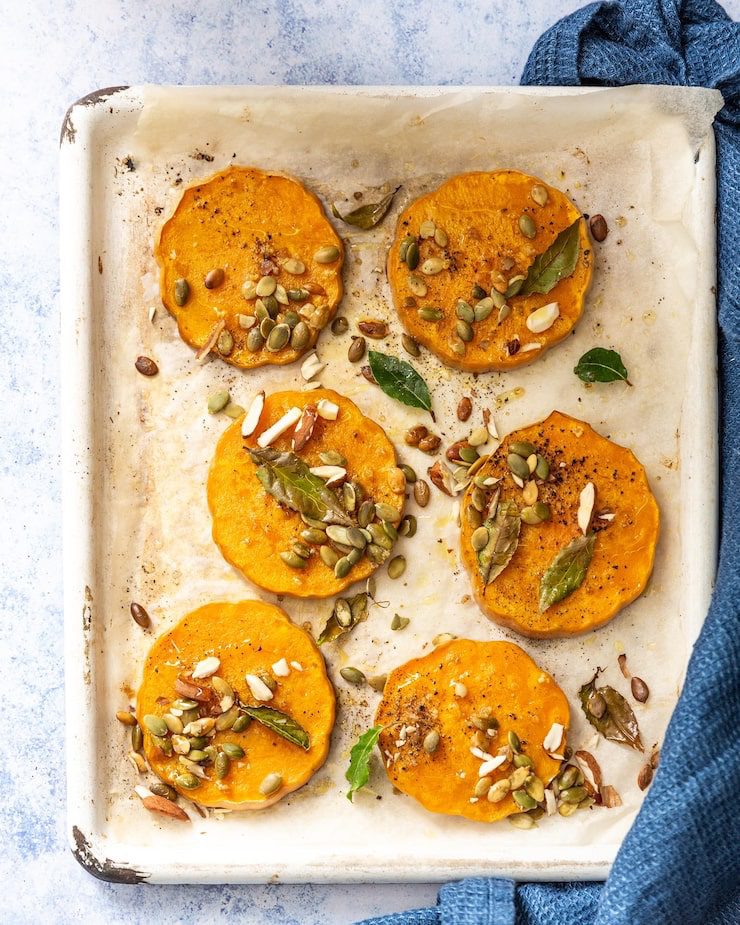
Alternatively, you can slice an acorn squash rub it with olive oil and cardamom then roast on 400 degrees for 25-30 minutes or when squash is tender.

Storing Winter Squash
Both pumpkin and winter squash can be stored in a cool, dry place for several months. Once cut, they should be refrigerated and used within a few days.

In Conclusion
Pumpkin and winter squash are not just seasonal staples – they are versatile ingredients that can elevate your fall cooking.

Whether you’re making comforting soups, roasting for side dishes, or incorporating them into desserts, these gourds offer a delightful way to embrace the flavors of autumn.
So, as the days grow shorter and cooler, let the richness of pumpkin and winter squash inspire your kitchen adventures.

Craving Something New – Find Your Next Favorite Breakfast, Lunch, Brunch, Side Dish, Soup , Salad, Sandwich, Dinner And Dessert Recipes Here 👉🏽 Recipe Index
More Deliciously Yummy Recipes
- Moist Gluten-Free Almond Flour Strawberry Banana Muffins
- 3 Flavorful and Easy Persian Recipes for Beginners
- Instant Pot Ash Reshteh (Persian Herb, Bean and Noodle Soup)
- Blueberry Lavender White Chocolate Bread Pudding
- Sweet Potato Kale and Farro Salad With A Orange Tahini Dressing
Please Share With Your Social Network:

Discover more from Cook Plate Fork
Subscribe to get the latest posts sent to your email.