
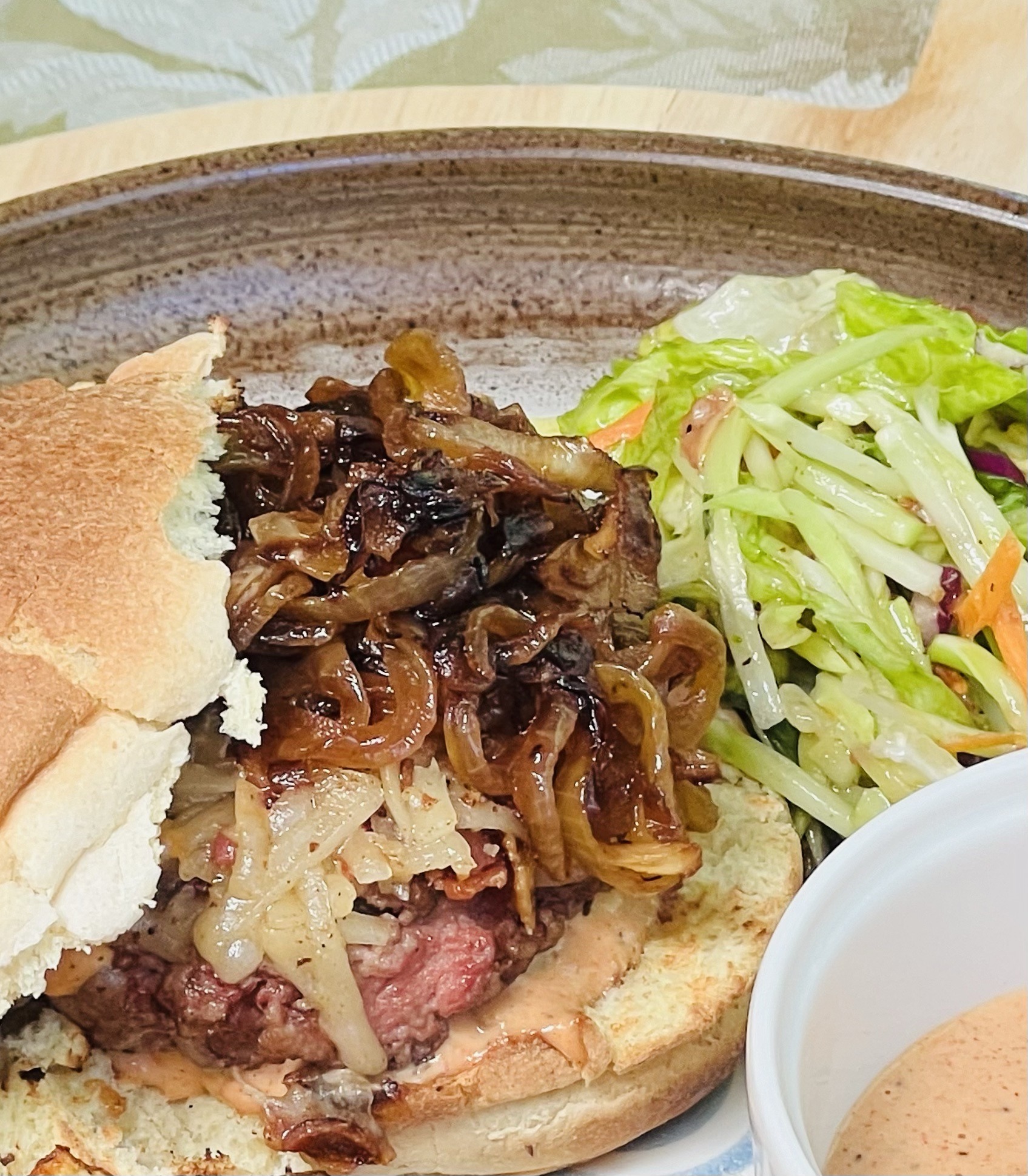

Caramelizing onions is a wonderful technique that transforms the humble onion into a sweet, flavorful addition to countless dishes.
The process involves slowly cooking onions over low heat, allowing their natural sugars to caramelize, resulting in a rich, golden-brown color and a deep, sweet flavor.
Understanding Caramelization
Onions contain natural sugars, primarily fructose and glucose. When heated, these sugars begin to decompose through a series of chemical reactions, producing a range of flavor compounds, such as nutty, toasty, and sweet undertones.
Caramelization generally occurs at temperatures between 320°F (160°C) and 350°F (180°C).
Below this range, the sugars won’t caramelize, while temperatures above 350°F can lead to burning instead of proper caramelization.
Choosing the Right Onions
While you can use any color of onion for caramelizing. The different varieties have varying natural sugar content.

Yellow onions though, are the most commonly used due to their balanced sweetness.
Red onions have a milder taste and can also work well, offering lovely color.
White onions are more pungent but can still be caramelized for a different flavor experience.
Essential Tips for Perfect Caramelization
Slow cooking with low heat promotes even caramelization, while high heat can burn the sugars before they develop their full flavor.
If you’re caramelizing a large amount of onions, do it in batches, as overcrowding can cause steaming rather than browning.
Use a heavy-bottomed skillet, such as cast iron to retain heat, which promotes even cooking and preventing hotspots.

Adding salt at the beginning helps draw out moisture from the onions, which aids in the caramelization process.
You can add herbs like thyme or rosemary, or even a splash of wine or beer to give your onions a unique twist.
Take Away
Use a heavy bottom skillet, don’t over crowd and use low heat. Don’t rush the process with high heat which can lead to burnt onions instead of caramelized ones.
Stages of Caramelization
Onions contain natural sugars, primarily fructose and glucose.
When heated, onions will release moisture and become translucent. This is when these sugars begin to dissolve through a series of chemical reactions, resulting in that characteristic sweet flavor.
As cooking continues, you’ll notice the onions starting to change color, turning from transparent to a light gold. This marks the early stages of caramelization.
Finally, the onions reach a rich, dark brown color, signifying full caramelization. At this point, they have developed a deep sweetness and complexity.

Common Mistakes To Avoid
Cooking too quickly will result in burnt bits and unevenly cooked onions. Always keep the heat low.
Not stirring regularly will cause uneven cooking, sticking or burning. The onions need a consistent stirring to prevent uneven cooking, sticking or burning.
Don’t skip the sugar, as it boosts the caramelization process, making it essential for achieving that sweet flavor.
Take Away
Slow cooking with low heat promotes even caramelization, while high heat can burn the sugars before they develop their full flavor.
Ingredients like sugar or acids, like vinegar, can influence the caramelization process, enhancing sweetness and adding depth of flavor.
Storage And Uses
Caramelized onions can be made in advance and stored in the refrigerator for up to a week. They can also be frozen for later use.
They’re incredibly versatile and can be added to:
- Soups
- Pizzas
- Risottos, Grain Bowls, Rice
- Sandwiches, Burgers and Hotdogs


Caramelizing onions transforms them into a delightful ingredient that enhances many dishes.

Caramelizing Onions: A Delicious Culinary Skill
2 large onions (yellow or white), peeled
2 tablespoons of olive oil
1 teaspoon of salt
1 tablespoon of sugar (granulated or brown)
1 teaspoon of balsamic vinegar for added depth
Cut onions into thin, even slices for uniform cooking.
Add oil to a cast iron skillet over medium-low heat.
When the oil starts to shimmer, add the sliced onions and salt. Stir to coat the onions evenly.
Sprinkle the sugar over the onions to enhance the caramelization process.
Maintain low heat, stirring every few minutes. This slow cooking allows the onions to release their moisture and sugars, which is key to achieving that beautiful caramelization.
If the onions begin to stick, add a splash of water. For extra depth, you can add balsamic vinegar during the last few minutes.
This process can take anywhere from 30 minutes to an hour, depending on the quantity and desired depth of flavor. Keep cooking until the onions are a deep golden brown.
Caramelized onions can elevate many dishes! Use them as toppings for burgers, in soups, or mixed into pasta. They can also shine in pizzas, quiches, frittatas, omelets or as a flavorful addition to sandwiches.
Enjoy the delightful process of caramelizing onions and savor the incredible flavor they bring to your meals.
Common Questions About Caramelizing Onions
How long does it take to caramelize onions?
Caramelizing onions typically takes around 30 to 60 minutes, depending on the quantity and the heat used. The key is to cook them slowly over low heat.
Can I use any type of onion for caramelizing?
Yes, but yellow onions are the most popular choice due to their balanced sweetness. Red onions can also work well for a milder flavor, while white onions have a sharper taste.
Do I need to add sugar when caramelizing onions?
While onions contain natural sugars, adding a bit of sugar can enhance the sweetness and accelerate the caramelization process. However, it’s not strictly necessary if you prefer a more natural flavor.
Why are my onions sticking to the pan?
If your onions are sticking, it may be due to not using enough oil or butter. You can add a splash of water or broth to release them if they start to stick.
What should I do if my onions are browning too quickly?
If your onions are browning too fast, reduce the heat immediately. Low and slow is the way to go when caramelizing onions.
Can I caramelize onions in the oven?
Yes! You can roast onions in the oven at around 400°F (200°C) for about 30-40 minutes. Just toss them with oil and spread them on a baking sheet for even caramelization.
How do I know when onions are properly caramelized?
Properly caramelized onions should be a deep golden brown color, have a sweet aroma, and a soft, jam-like texture.
Can I store leftover caramelized onions?
Yes! Caramelized onions can be stored in an airtight container in the refrigerator for up to a week or frozen for longer storage.
How can I use caramelized onions?
Caramelized onions are versatile! Use them in soups, on pizzas, in sandwiches, as a topping for burgers and hotdogs, or mixed into pasta and rice dishes.
What’s the difference between caramelized and sautéed onions?
Caramelized onions are cooked slowly until they turn sweet and brown, while sautéed onions are cooked quickly at a higher heat and retain a firmer texture and sharper flavor.
Caramelization Is Just One Cooking Term – There Are Several Cooking Terms – Learn What They Are Here 👇🏼

Craving Something New – Find Your Next Favorite Breakfast, Lunch, Brunch, Side Dish, Soup , Salad, Sandwich, Dinner And Dessert Recipes Here 👉🏽 Recipe Index
More Deliciously Yummy Recipes
- How to Cook Store Bought Gnocchi: 5 Easy Methods for Perfect Texture Every Time
- Cooking With Tortellini Pasta: 11 Delicious Ways to Transform This Versatile Ingredient
- Creamy Caramelized Onion Tortellini
- Moist Gluten-Free Almond Flour Strawberry Banana Muffins
- 3 Flavorful and Easy Persian Recipes for Beginners
Please Share With Your Social Network:

Discover more from Cook Plate Fork
Subscribe to get the latest posts sent to your email.
Who doesn’t love caramelized onions? YUMMY!!!!
Yes they are 😋👍🏼
🙂 🙂 🙂