
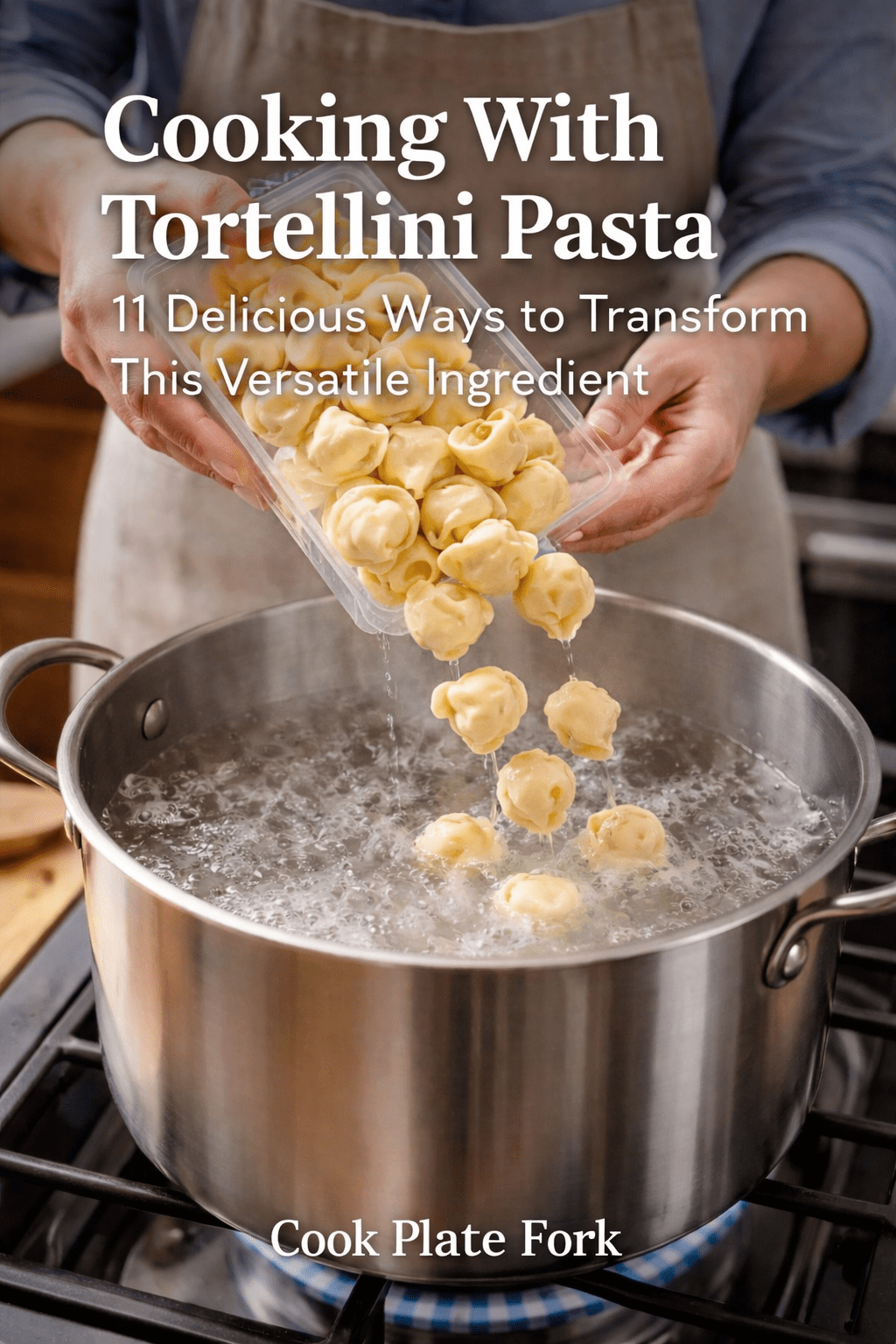

Cooking with tortellini pasta is one of the easiest ways to create satisfying, flavor-packed meals without a lot of effort. Because tortellini is already filled—typically with cheese, meat, or spinach—it acts as a complete ingredient rather than just a base.
What makes it especially useful is how adaptable it is. You can boil it for quick meals, bake it into rich casseroles, or add it to soups and salads.
It’s less about strict tradition and more about building Italian-inspired dishes that fit everyday cooking.
What Is Tortellini? A Quick Overview
Tortellini is a ring-shaped stuffed pasta that originates from Italy. Traditionally, it’s filled with a mix of meats or cheese, but today you’ll find many variations in grocery stores.

Tortellini, those delightful little ring-shaped pasta pockets, hail from the beautiful Emilia-Romagna region of Italy, particularly Bologna and Modena.
Traditionally, they are stuffed with a mix of savory meats like pork loin, prosciutto, and mortadella, or sometimes a rich cheese filling.
Often referred to as “navel-shaped,” these tasty dumplings are typically served in a comforting broth, known as “in brodo”, but they’re also a perfect match for creamy or tomato-based sauces.
You’ll typically see three types:
- Fresh or refrigerated – soft texture, quick cooking
- Frozen – convenient and widely available
- Dried – longer shelf life, slightly firmer bite
Each type cooks a little differently, but all work well across multiple recipes.
Cooking With Tortellini Pasta: Core Methods
Boiling Tortellini the Right Way
Cook tortellini in a large pot of rapidly boiling, well-salted water—about 4 quarts for every 9-ounce package. Gently add the tortellini and stir occasionally to prevent sticking.

They’re ready when they float to the surface:
- Fresh: 2–4 minutes
- Frozen: 4–6 minutes
- Dried: 10–12 minutes
There’s no need to thaw frozen tortellini beforehand—it can go straight into the boiling water.
When to Rinse Tortellini After Cooking
Once cooked, tortellini should be drained immediately. If you’re preparing a warm dish, there’s no need to rinse—simply transfer it directly into your sauce so it can absorb flavor.
However, if you’re making a cold dish like a pasta salad, rinsing becomes an important step. Running the tortellini under cool water stops the cooking process, removes excess starch, and helps prevent sticking.

Rinsing also cools the pasta quickly, making it easier to combine with fresh ingredients and vinaigrettes. Once cooled, gently shake off excess water before adding it to your dish.
Pro Tip: Use Pasta Water for a Silky Sauce
Before draining your tortellini, reserve about ¼ cup of the pasta water. The starch in this water helps emulsify the sauce, creating a silky, smooth texture that clings perfectly to the pasta.
Add a splash at a time while tossing the tortellini with your sauce until you reach the desired consistency.
Essential Tips for Perfect Tortellini
- Don’t overcook – it can burst and become mushy
- Salt your water well – this builds flavor from the start
- Reserve pasta water – helps sauces cling better
- Cook frozen directly – no thawing needed
Different Ways to Cook Tortellini
One-Pot and Soup-Based Cooking
Cooking tortellini directly in broth or sauce is one of the most efficient methods. It allows the pasta to absorb flavor while also helping thicken the liquid naturally.

Chicken Sausage Tortellini Soup
This works especially well in soups like Chicken Sausage Tortellini Soup, where the tortellini is added near the end to keep its texture intact.

Tuscan Tortellini with Sausage & Kale Soup
For a more rustic approach, Tuscan Tortellini with Sausage & Kale Soup builds deeper flavor using greens, sausage, and a rich broth.
Baking Tortellini
Baked tortellini is an easy, comforting casserole made by layering cheese- or meat-filled tortellini with pasta sauce and shredded cheese, then baking at 350–400°F for 20–30 minutes until hot and bubbly.
For the best texture, cook the tortellini just shy of al dente, cover the dish with foil to retain moisture, and finish with a brief broil to achieve a golden, lightly crisped cheese topping.

Baked Tortellini Carbonara
Baked Tortellini Carbonara highlights how oven baking can reinvent a classic stovetop pasta, enhancing depth through richer texture, concentrated flavors, and better integration of ingredients.
While traditional carbonara comes together quickly with eggs and cheese over direct heat, the baked version transforms it into a more indulgent, casserole-style dish.
Pan-Frying for Texture
Pan-frying adds a golden, slightly crispy texture to tortellini. After boiling, sauté it in butter or oil until lightly browned on the outside while keeping the inside tender.
Pan-frying tortellini adds a golden, slightly crispy texture that changes the entire experience.

After boiling, sauté the tortellini in butter or oil until lightly browned on the outside while keeping the inside tender.
Broiling for a Crispy Finish
Broiling is another effective way to add texture without pan-frying. It creates a lightly crisp, caramelized top layer that enhances both flavor and presentation.

Bacon & Vegetable Tortellini
This method works especially well in dishes like Bacon & Vegetable Tortellini, where the tortellini is boiled, combined with sauce and ingredients, and finished under the broiler.
Best Sauces for Tortellini Dishes
Cream sauces are a natural pairing for tortellini, enhancing its richness while complementing the pasta’s filled center. Their smooth, velvety texture clings to the tortellini, creating a balanced and satisfying dish in every bite.
These sauces work especially well because they coat the pasta without overpowering the filling, allowing both the sauce and tortellini to shine.
Whether you’re using a classic Alfredo, a mascarpone blend, or a garlic Parmesan cream, the result is a comforting, restaurant-quality meal that feels both simple and indulgent.
Sauces To Try
Choosing the right sauce is key to transforming baked tortellini into a dish that suits your taste and occasion.
From rich and creamy to bright and tomato-forward, different sauces bring out unique flavors and textures in the pasta.
Cream Based Sauces
Rosemary-infused Alfredo sauce for tortellini is a rich, aromatic blend made by gently simmering heavy cream, butter, garlic, and fresh rosemary, then finishing with Parmesan to thicken.

Baked Cheese Tortellini with Bacon & Rosemary Alfredo
The infusion creates a fragrant, herb-forward sauce that pairs beautifully with savory cheese-filled tortellini, as featured in Baked Cheese Tortellini with Bacon & Rosemary Alfredo.
Wine-Based and Savory Sauces
This sauce combines cream with garlic, Parmesan, and a splash of white wine for added depth. The wine cuts through the richness, creating a more balanced flavor profile.

You can see this in Tortellini Pork & Vegetables with Garlic Parmesan White Wine Sauce, where garlic and wine elevate the dish.
Pizza-Based Sauce: A Bold, Herb-Forward Option
Pizza sauce brings a bold, herb-forward tomato flavor that’s slightly sweeter and more concentrated than traditional marinara, making it a great match for baked or skillet tortellini dishes.
Its thicker consistency helps it cling to the pasta while enhancing savory, cheesy elements like mozzarella or fontina.

One Skillet Tortellini With Pizza Sauce & Fontina
For a quick, flavor-packed option, try One Skillet Tortellini With Pizza Sauce & Fontina, where the sauce creates a rich, melty, pizza-inspired finish.
Mascarpone Sauce: Rich, Creamy, and Velvety
Mascarpone creates a rich, velvety sauce for tortellini by melting smoothly into the pasta with a splash of reserved cooking water, along with garlic or savory additions like sausage, bacon, or spinach.

It acts as a luxurious thickener, delivering a silky texture and subtle sweetness—perfectly showcased in Tortellini & Peas with Mascarpone Alfredo Sauce.
Tomato Basil Vinaigrette: Fresh and Zesty for Tortellini
A bright, refreshing tomato basil vinaigrette is perfect for tortellini pasta salad, adding a light, zesty contrast to the richness of the pasta—just like in Tortellini Pasta Salad with Tomato Basil Vinaigrette.

Cheese-filled tortellini works especially well in pasta salads, pairing beautifully with mix-ins like summer sausage, black olives, and a variety of other flavorful additions.
Bold & Creative Tortellini Pairings
Step beyond classic combinations and explore bold, flavor-forward tortellini pairings that bring contrast, texture, and creativity to the table.
These dishes combine fresh ingredients and unexpected elements to elevate tortellini into something truly memorable.

Tortellini Primavera with Cajun Shrimp
Tortellini Primavera with Cajun Shrimp is a vibrant mix of seasonal vegetables paired with smoky, spiced Cajun shrimp for a balanced dish that’s both fresh and bold.

Mushroom Tortellini with Asparagus
Mushroom Tortellini with Asparagus Earthy mushrooms and tender asparagus create a refined, savory pairing that highlights the richness of the tortellini while adding a touch of brightness.
Frequently Asked Questions About Cooking With Tortellini Pasta
Why did my tortellini break apart?
Tortellini can fall apart if it’s overcooked or boiled too aggressively. Keep the water at a gentle boil rather than a rapid rolling boil to help maintain its shape.
How do I prevent tortellini from sticking?
Stir gently during the first minute of cooking and avoid overcrowding the pot. Giving the pasta enough space helps prevent sticking and ensures even cooking.
Conclusion
Cooking with tortellini pasta is less about following strict rules and more about using a versatile ingredient to create meals that fit your style. Whether you’re making a soup, baking a casserole, or tossing together a quick pasta dish, tortellini adapts easily.
By combining simple techniques with flavorful sauces and ingredients, you can turn this small pasta into something satisfying, creative, and consistently reliable.

For more helpful cooking references, see the Grains & Pasta Cooking Times Guide to ensure perfectly cooked pasta every time.

For a deeper look into pasta’s rich background, explore The History of Pasta: Origins, Myths, and the Rise of an Italian Icon.
Still hungry? These recent recipes are ready when you are.
More Deliciously Yummy Recipes
- Cooking With Tortellini Pasta: 11 Delicious Ways to Transform This Versatile Ingredient
- Creamy Caramelized Onion Tortellini
- Moist Gluten-Free Almond Flour Strawberry Banana Muffins
- 3 Flavorful and Easy Persian Recipes for Beginners
- Instant Pot Ash Reshteh (Persian Herb, Bean and Noodle Soup)
Please Share With Your Social Network:

Discover more from Cook Plate Fork
Subscribe to get the latest posts sent to your email.