
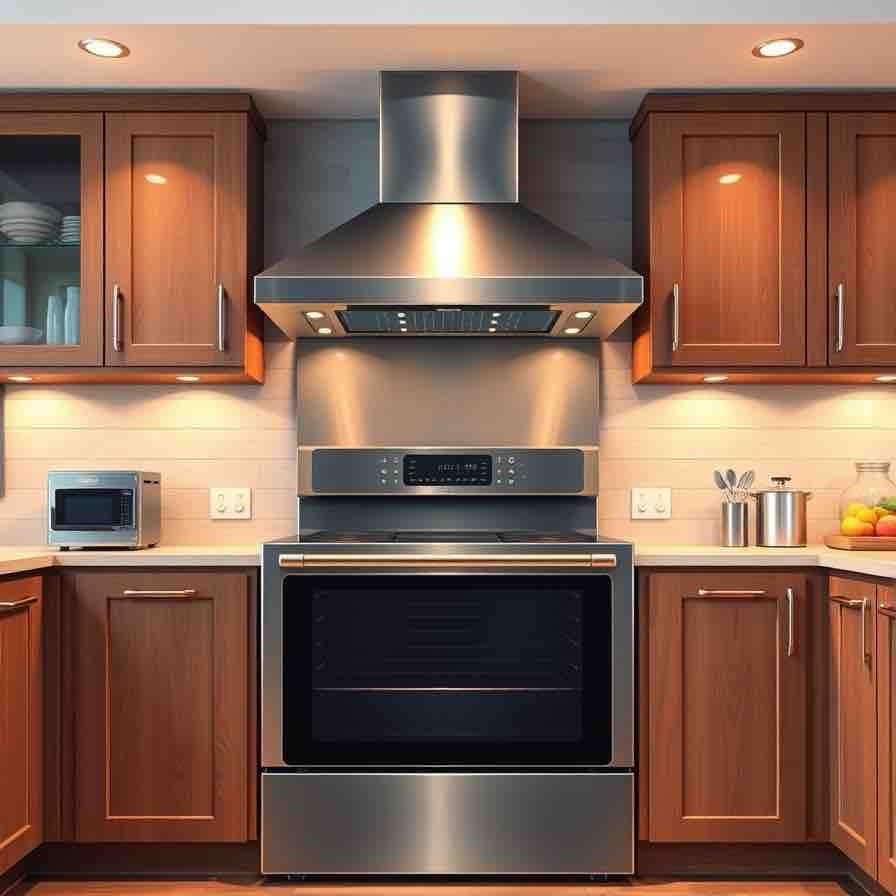

In the world of modern kitchens, convection ovens have become a popular appliance for both amateur cooks and professional chefs alike.
Unlike traditional ovens, convection ovens use a fan and exhaust system to circulate hot air, leading to more uniform cooking results.
This innovative technology can transform your culinary experience, offering benefits such as even cooking, reduced cooking times, and superior roasting.

This Two-Hour Turkey Was Roasted To Perfection In Under Two Hours
Whether you’re baking delicate pastries or roasting a succulent piece of meat, a convection oven delivers consistent results that might just elevate your cooking to the next level.
However, as with any appliance, understanding when and how to use a convection oven effectively is key to maximizing its potential benefits while avoiding common pitfalls.

By exploring the intricacies of convection cooking, you can decide if this versatile tool is the right addition to your kitchen.
How to Use a Convection Oven
Preheat the Oven
Just like with a conventional oven, you should preheat your convection oven to the required temperature before placing food inside.
This process usually takes between 10 to 15 minutes, depending on your oven model and the temperature needed.
The importance of preheating cannot be overstated. It ensures that cooking times are accurate and helps achieve the expected texture and doneness.
For baked goods, preheating is crucial for proper rising and browning, while for roasted meats and vegetables, it ensures an even, golden finish.

In some convection ovens, the fan will automatically turn off until the preheat cycle is complete, helping to reach the set temperature more efficiently.
It’s worth allowing extra time for preheating your oven.
Preheating your oven completely ensures that temperature fluctuations are minimized. This process requires time for both the air and the metal walls inside the oven to reach the desired temperature.
The heated metal serves as a reservoir of heat, often referred to as a “heat sink,” which radiates warmth back into the oven to maintain a stable temperature.

Credit: The Science Of Cooking – Author Dr. Stuart Farrimond
When the oven door is opened, hot air escapes; if the walls are cold, the small heating element must work harder to reheat the air.
However, if the oven walls are hot, they will quickly restore the correct air temperature.
Adjust Cooking Time and Temperature
The majority of recipes accessible to the public were originally designed for conventional ovens, as these have traditionally been the most common type found in households.
Generally, when using a convection oven, you should lower the standard recipe temperature by about 25 degrees Fahrenheit (approximately 15 degrees Celsius).

This reduction accounts for the more efficient heat transfer and helps prevent overcooking or burning.
For instance, if a recipe calls for baking at 350°F in a conventional oven, reduce it to 325°F for a convection oven.
In addition to lowering the temperature, you may also need to decrease the cooking time.
Start by checking for doneness roughly 25% earlier than the recipe suggests.
For example, if a dish normally bakes for 40 minutes, start checking at around 30 minutes.
The exact adjustment can vary depending on the particular food and your specific oven, so it’s always a good idea to monitor the progress closely the first few times you try a new recipe.
Placement of Food and Cookware
Proper placement of food in a convection oven is crucial for optimal cooking results.
As noted earlier, the fan in a convection oven ensures even distribution of heat, but only if the air can circulate freely around the food.
Opt for baking sheets and roasting pans with low sides to allow maximum airflow around the food.

High-sided pans can obstruct the circulation of hot air, leading to uneven cooking.
Make sure air can circulate well over the food. Use trays, roasting pans, and baking pans with lower sides, and avoid covering the oven shelves with foil, as obstructing airflow can reduce the effectiveness of convection cooking.
Understanding Your Oven Control Panel
When deciding whether to use the convection feature, understanding your oven’s control panel is crucial.
Most modern ovens come with various settings, and knowing when to use each can greatly impact your cooking results.

Baking Setting (No Fan)
This option on the control panel is typically used for traditional baking. When selected, the oven functions without utilizing the fan.
This setting is ideal for delicate baked goods like custards, flans, and certain types of bread and cakes.

These items may require a more gentle heat to rise properly or maintain their texture without being disturbed by circulating air.
Convection Baking Setting
When you switch to convection baking, the fan and exhaust system are activated.
This setting is perfect for recipes where even cooking and browning are desired, such as cookies, pastries, and roasting meats and vegetables.

This setting is also useful for dehydrating fruits and vegetables.
The Difference Between Convection Roast and Convection Bake
Some convection oven models have a low and high fan control.
Understanding when to use the high or low fan options allows you to tailor the cooking environment to your specific dish, making the most of your oven’s capabilities and ensuring delicious results every time.
Convection Bake
This setting uses the convection fan at a low speed or less intense heat, which is ideal for baked goods like cookies, cakes, and pastries, as it helps achieve an even rise and browning.
Convection Roast
This setting typically uses the fan to direct more intense and concentrated heat toward the food, perfect for roasting meats and vegetables. The additional heat helps create a caramelized exterior while keeping the inside juicy.
Considerations on Durability
Convection ovens are more complex than conventional ovens due to the fan mechanism that introduces additional parts to the system.
This is especially true with multi-fan models, which have even more components. These extra parts can increase the possibility of malfunction, breakage, or failure, potentially leading to higher repair or replacement costs.
To minimize these risks, it’s wise to choose a convection oven from a reputable brand known for quality craftsmanship and to ensure that it comes with a comprehensive warranty to cover any potential issues related to faulty parts or normal wear and tear.
Overall, a convection oven is versatile and efficient, making it a valuable tool in many cooking scenarios.
Ultimately, your personal preferences, budget, and cooking needs will determine the right oven for you.
A convection oven offers distinct advantages for many cooking tasks, but consider whether the occasional need to adjust a recipe is worth the benefits of improved evenness, faster cook times, and greater flexibility.
Making an informed choice will ensure you select an oven that best suits your culinary style and lifestyle.
Read More Here About


More Deliciously Yummy Recipes
- Cooking With Tortellini Pasta: 11 Delicious Ways to Transform This Versatile Ingredient
- Creamy Caramelized Onion Tortellini
- Moist Gluten-Free Almond Flour Strawberry Banana Muffins
- 3 Flavorful and Easy Persian Recipes for Beginners
- Instant Pot Ash Reshteh (Persian Herb, Bean and Noodle Soup)
Please Share With Your Social Network:

Discover more from Cook Plate Fork
Subscribe to get the latest posts sent to your email.
Excellent explanation Randy, thank you!
Glad it was informative. Actually, I investigated about the convection oven when I bought mine and then decided to write the article. You should google about your oven. So much more information on the web than in the oven’s manual. At least, that’s what I have seen.