
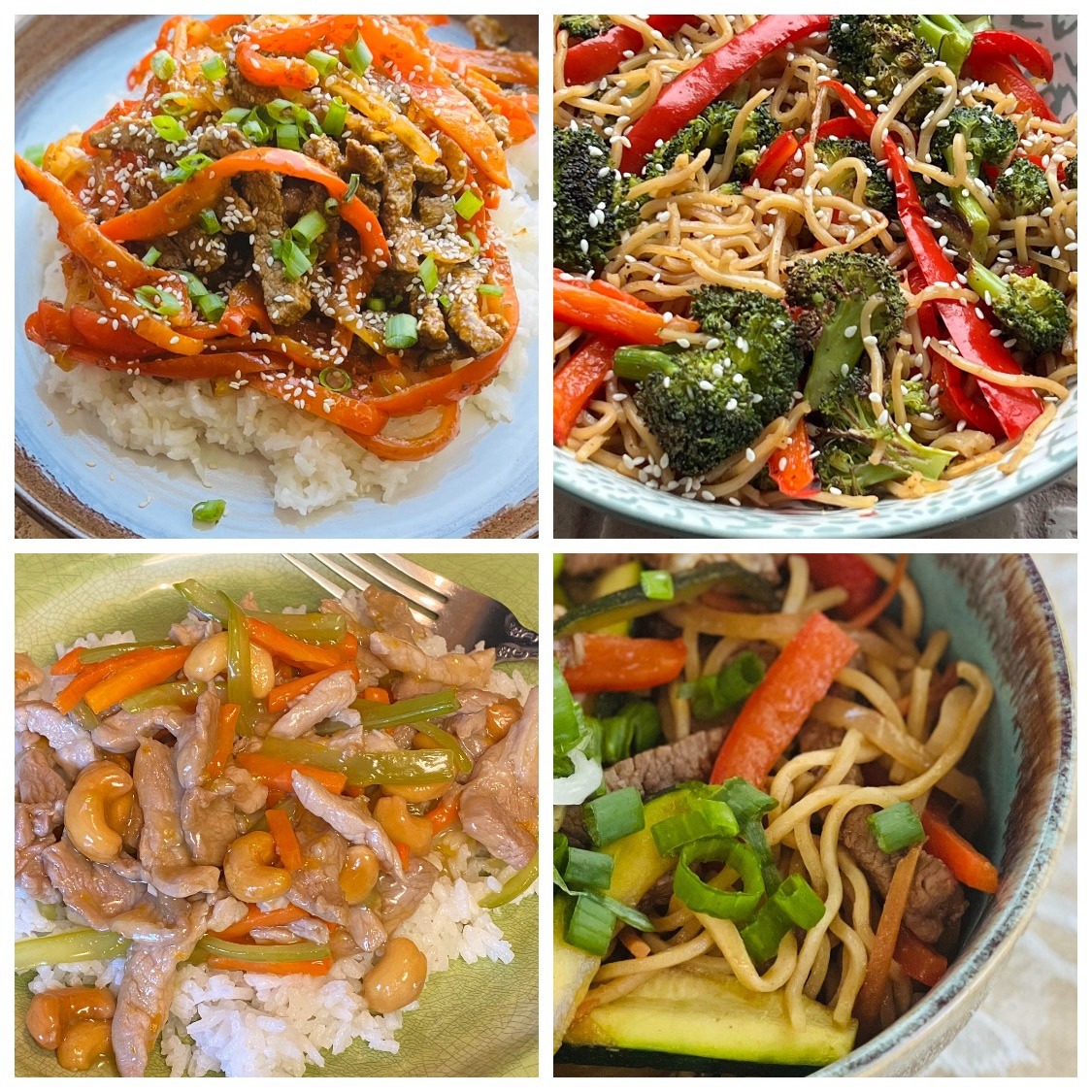

Stir-frying is a dynamic and versatile cooking technique that has captivated food enthusiasts around the globe.
With its roots firmly planted in Chinese cuisine, this method is celebrated for its ability to produce flavorful dishes in a matter of minutes.
At its core, stir-frying is about balancing speed and heat. The method involves rapidly cooking small, equally sized pieces of food in a minimal amount of oil, over high heat.
This technique not only preserves the texture and color of the ingredients but also enhances their natural flavors, creating dishes that are both visually appealing and delicious.
Here’s a deeper dive into the world of stir-frying.
Cooking A Savory Stir-Fry
Stir-frying is not just a cooking technique, it’s a creative expression that allows for endless experimentation with flavors and textures.
Essential Tools and Ingredients
A wok is the quintessential tool for stir-frying. Its curved shape allows for even heat distribution and makes it easy to toss ingredients.

Using a wok is a great cooking method as it cooks food without having to add a lot of oil.
A wok is built to heat up in such a way that food cooks fast, meats get a nice sear and vegetables cook quickly so they are not overcooked and retain their flavor.
If a wok isn’t available, a large, heavy-bottomed skillet can serve as an alternative.
Using The Right Oil
Choose oils with high smoke points, such as peanut oil, vegetable oil, or canola oil, to withstand the intense heat without burning.

Asian cooks typically use soybean oil, vegetable oil or peanut oil, all of which have a high smoke point.
Peanut oil usually has a pleasant nutty flavor and is suitable not only for stir-frying but also for deep-frying. Peanut oil can be heated to 450 F/232 C without burning.
Canola oil, which has a high smoke point to 400 F/204 C, and has a neutral flavor. If you burn this oil, it does have a rancid flavor.
Other types of oil you can use are refined coconut oil (450 F/232 C) or avocado oil (500 F/260 C). Both when refined for high heat cooking have a neutral flavor.

Oils to avoid include extra-virgin olive, or sesame oil, as both have a low smoke point.
Also avoid using butter or shortening.
Preparing The Ingredients
A stir-fry cooks fast and uses high heat. Therefore, it is very important to cut your ingredients into thin small pieces.

Have all your ingredients prepped and within reach before you begin. Stir-frying is a fast process, and there won’t be time to chop or measure once you start cooking.
Ensure your wok or pan is sufficiently hot before adding oil. The oil should shimmer but not smoke excessively.
Once the oil is hot, you’ll want to stir-fry quickly at high heat.

Cooking Order
Typically, aromatics are cooked first, followed by proteins, and finally, vegetables. This sequence ensures that each component is cooked perfectly without losing its character.
Garlic, ginger, and scallions are staple aromatics in stir-frying.

Common proteins used include chicken, beef, shrimp, or tofu, while vegetables like bell peppers, broccoli, and snow peas are often used.
Important to remember, the key is to cut all ingredients into similar sizes for even cooking.

Avoid overcrowding the wok or pan, as this can lead to steaming rather than stir-frying. Cook in batches if necessary to maintain high heat and achieve the desired texture.
Constantly stir and toss the ingredients to prevent sticking and to ensure even cooking. This technique helps to sear the food quickly, locking in flavors and moisture.

Add any sauces or seasonings towards the end of the cooking process to prevent them from burning and to coat the ingredients evenly.
Whether you’re crafting a traditional chicken stir-fry or exploring fusion cuisines with unique ingredients, the possibilities are limitless.
Stir-frying is perfect for busy weeknights or impromptu dinner parties. With practice, you can develop your own stir-fry style, delighting taste buds with each sizzling creation.

Craving Something New – Find Your Next Favorite Breakfast, Lunch, Brunch, Side Dish, Soup , Salad, Sandwich, Dinner And Dessert Recipes Here 👉🏽 Recipe Index
More Deliciously Yummy Recipes
- Blueberry Lavender White Chocolate Bread Pudding
- Sweet Potato Kale and Farro Salad With A Orange Tahini Dressing
- Tahini in Culinary Applications: 5 Delicious Ways to Use This Nutty Super Ingredient
- Tuscan Tortellini, Sausage & Kale Soup
- Instant Pot Thai Coconut Chicken Soup
Please Share With Your Social Network:

Discover more from Cook Plate Fork
Subscribe to get the latest posts sent to your email.