
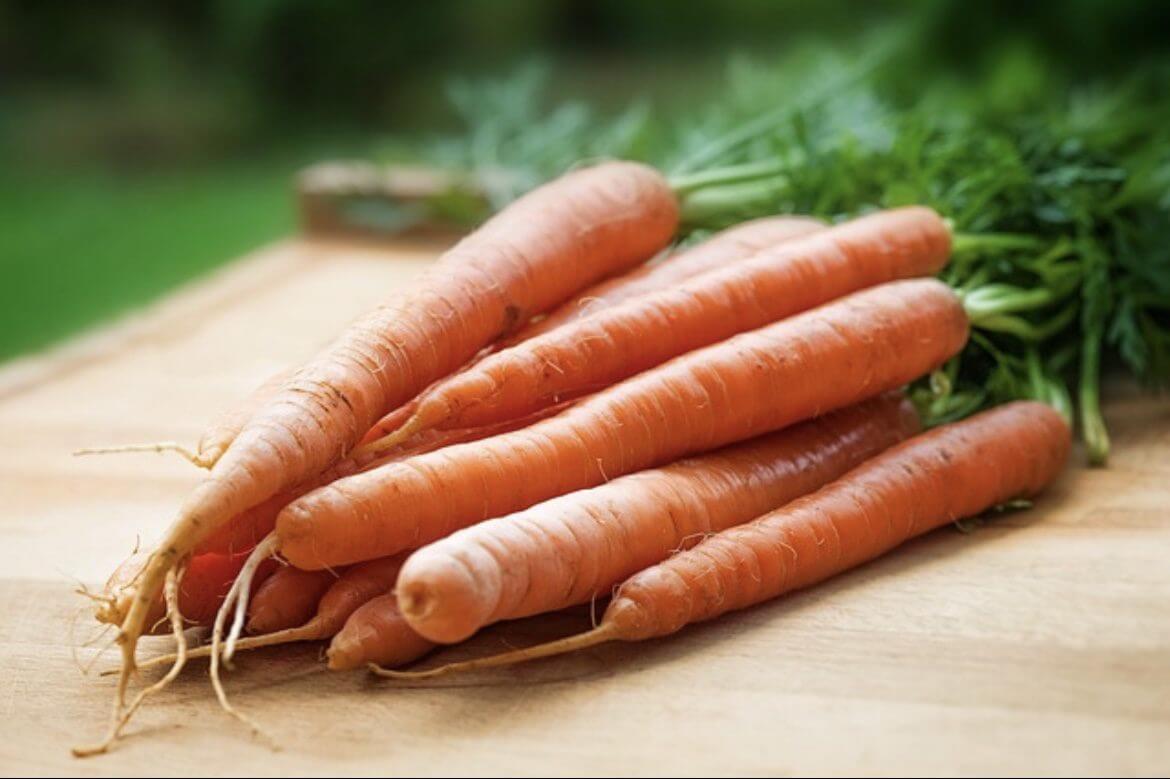

Carrots are one of the most versatile vegetables you can cook. Whether roasted until caramelized, braised with herbs, shaved raw into salads, or baked into desserts, carrots adapt beautifully to nearly every technique.
This guide walks you through the best ways to cook carrots — plus recipe inspiration for each method.
How to Prep Carrots Properly
Proper preparation sets the foundation for flavor, texture, and even cooking.
A few small choices — whether to peel, how to trim, and how to cut — can significantly impact your final dish.
Peeling vs. Scrubbing
Peeling carrots creates a smoother texture and more refined appearance, especially for raw preparations or elegant plating.

Peeling carrots creates a smoother surface and refined texture — especially helpful when preparing raw salads or elegant plated dishes in this How to Cook Carrots guide
However, many nutrients and much of the fiber lie just beneath the skin, so peeling isn’t always necessary.
For most recipes, a thorough scrub with a vegetable brush is enough.
Scrub fresh, young carrots to preserve flavor and nutrients, and peel only older carrots with thicker skin, bitterness, or heavy soil.
Trim and Dry
Remove the tops (if attached), as they draw moisture from the root.
Trim the root tip, rinse thoroughly, and pat dry before cutting — excess surface moisture can interfere with proper browning during roasting or sautéing.
Once prepped, the way you cut carrots determines how they cook and how they present on the plate.
Cutting Methods (And When to Use Them)
The way you cut carrots directly influences texture, cooking time, and how the vegetable absorbs flavor.
Choosing the right cut ensures even cooking and elevates both presentation and performance in a dish.

Uniform Cuts Equals Even Cooking
Coins: Cut crosswise into 1/4-inch to 1/2-inch pieces.
Best for soups, braises, and quick sautés where even thickness promotes uniform tenderness.
Batons: Cut into 2-inch lengths, then slice into 1/4-inch thick sticks.
Ideal for roasting, vegetable platters, and stir-fries where structure and caramelization matter.
Julienne: Slice into thin, 1/8-inch matchsticks.
Perfect for salads, slaws, and noodle dishes where quick cooking or fresh crunch is desired.
Shaved ribbons: Use a vegetable peeler to create thin ribbons.
Best for fresh salads and light marinades where delicate texture is key.
Grated: Shred using a box grater.
Excellent for slaws, baking, and fritters, where moisture and even distribution are important.
Roasting: Deep Flavor & Caramelization
Roasting carrots at high heat intensifies their natural sweetness and creates caramelized edges.
Technique Depth:
- Roast at 400–425°F
- Use high heat and space on the pan
- Toss with oil and salt only — glaze later
Recipe Inspiration
Roasted Spicy Carrots And Red Cabbage With A Balsamic Glaze

A sweet-heat combination where caramelized carrots balance tangy balsamic reduction. 👉🏼 View the full recipe
Balsamic Glaze Middle Eastern Style Roasted Carrots With Pomegranate Molasses And Mint

Roasted until tender, then finished with bright herbs and sweet-tart molasses. 👉 View the full recipe
Chef’s Tip: Finish roasted carrots with acid after cooking, not before, to preserve caramelization.
Braising: Tender & Savory
Braising softens carrots gently while infusing them with aromatics.
Technique Depth:
- Sauté aromatics first
- Add small amount of liquid (stock or wine)
- Cover and cook low until tender
- Finish uncovered to reduce
Recipe Inspiration
Braised Carrots And Leeks With Olives And Herbs

Tender carrots braised with caramelized leeks, olives, orange zest, and fresh herbs for a savory dish with subtle sweetness and citrus lift. 👉🏼 View the full recipe.
Stir-Fries, Rice & Pasta Dishes
Carrots add natural sweetness, vibrant color, and tender-crisp texture to grain dishes and noodle recipes.
They can be sautéed, roasted, or even spiralized into vegetable noodles, serving as either a flavorful mix-in or a lighter base.
Their subtle sweetness pairs especially well with savory, umami-rich sauces and fresh herbs.
Technique Tip:
Cut small and evenly so they cook quickly without turning mushy.
Recipe Inspiration
Fried Rice Pilaf with Peas Carrots & Almonds

Diced carrots add color and natural sweetness to this savory rice pilaf, balancing tender grains with crisp vegetables and toasted almonds. 👉 View the full recipe

Julienned carrots bring subtle sweetness and texture to this savory-sweet noodle dish, complementing the bold Thai-inspired sauce. 👉 Get The Recipe
Barbecue Garlic Lemon Vegetable Platter With A Creamy Avocado Dipping Sauce

Roasted carrots join other vegetables in a garlic-lemon marinade, creating smoky sweetness that pairs beautifully with the cool avocado sauce. 👉 View the full recipe
Fresh & Raw Preparations
Raw carrots deliver a refreshing crunch thanks to their high water content, along with a mildly sweet, earthy flavor and subtle peppery note.
Naturally low in calories and nutrient-dense, they’re a versatile ingredient for snacking, bright salads, and adding crisp texture to a variety of dishes.
Flavor Pairings That Work:
- Citrus
- Cumin
- Mint
- Yogurt
- Pomegranate
- Honey
Recipe Inspiration

Shredded carrots combine with tart cranberries for a bright, lightly sweet salad with crisp texture and refreshing contrast. 👉 View the full recipe

Inspired by North African flavors, this Moroccan-Style Carrot Salad combines tender carrots with aromatic spices, citrus, and fresh herbs for a dish that’s both refreshing and warmly spiced.
The balance of sweet, savory, and bright notes makes it a standout addition to any table. 👉 View the full recipe
Chickpea Carrot & Arugula Salad

Sweet carrots and hearty chickpeas balance the bold, peppery bite of arugula in this bright, texture-driven salad. Simple yet layered, it delivers freshness, protein, and satisfying crunch in every bite. 👉 View the full recipe
Sweet and Savory Broccoli Carrot Slaw

This Sweet and Savory Broccoli Carrot Slaw pairs crisp broccoli and naturally sweet carrots with a balanced dressing that delivers both brightness and depth.
Fresh, crunchy, and versatile, it works beautifully as a side dish or a topping for grilled meats and sandwiches. 👉 View the full recipe
Soups & Stews: Natural Sweetness & Body
Carrots are a foundational ingredient in many soups and stews, valued for the subtle sweetness and depth they bring to a dish.
As they simmer, their natural sugars and earthy compounds soften and develop, adding complexity that balances savory, herbaceous, and even spicy elements.
Beyond flavor, carrots contribute body and gentle thickness, helping create a more rounded, cohesive broth without overpowering other ingredients.
Best for brothy soups, puréed vegetable soups, lentil stews, and slow-simmered dishes.
Technique Tip:
Sweating carrots and onions gently in oil or butter over low heat before adding liquid draws out their natural sugars, softens their texture, and builds a savory, aromatic base.
Slow sweating concentrates flavor, mellows sharp notes, and helps the vegetables maintain structure during simmering.
Recipe Inspiration
Sweet Potato, Carrot, Apple, and Red Lentil Soup

Sweet potatoes and carrots bring natural sweetness, apple adds brightness, and red lentils create body in this smooth, hearty soup. The result is a warming, flavor-rich dish with subtle complexity and satisfying texture. 👉 View the full recipe
Baking & Desserts
Carrots play a functional role in baking beyond flavor. Their high water content releases gradually during baking, helping cakes, muffins, and quick breads stay tender and moist without becoming heavy.
Naturally occurring sugars — including sucrose, glucose, and fructose — intensify as they bake, contributing balanced sweetness and allowing for slightly reduced added sugar.
At the same time, the carrot’s fibrous structure supports the crumb, adding body while maintaining softness.
Best for: Cakes, muffins, quick breads, and spiced desserts.
Recipe Inspiration
Brazilian-Style Chocolate-Glazed Carrot Cake

This Brazilian-Style Chocolate-Glazed Carrot Cake transforms humble carrots into a rich, tender dessert.
Blended into the batter for moisture and structure, the carrots create a soft, velvety crumb that pairs beautifully with a glossy chocolate glaze. 👉 View the full recipe
How to Store Carrots for Maximum Freshness
- Remove tops immediately (they pull moisture)
- Store in airtight container in refrigerator
- Keep dry for longer storage
- Can last 3–4 weeks when stored properly
Why Carrots Are Ideal for Late Winter Cooking
Cold weather enhances their sweetness, and they store well through winter — making them a dependable seasonal vegetable when fresh summer produce isn’t available.
Conclusion
Carrots are one of the most adaptable ingredients in the kitchen. Whether roasted to deepen their natural sweetness, gently braised for savory complexity, served raw for crisp freshness, simmered into soups for body, or baked into tender desserts, they respond beautifully to a range of techniques.

Understanding how to prep, cut, and cook carrots properly allows you to control texture, enhance flavor, and build more balanced dishes.
With just a few foundational methods, this humble root vegetable becomes a versatile component that works across cuisines and seasons.
Master the technique, choose the right preparation, and carrots will consistently deliver color, flavor, and structure to your cooking.
Continue Building Your Vegetable Cooking Skills
Mastering how to cook carrots is just one part of cooking vegetables well. From proper washing techniques to understanding roasting temperatures and long-term storage, small foundational skills make a meaningful difference in flavor, texture, and freshness.
Explore these in-depth guides to strengthen your vegetable prep and cooking knowledge:
How To Wash Fruits and Vegetables: A Complete Guide
Learn effective washing techniques that remove soil and residue while preserving freshness and nutrients.
The Art and Science of Roasting Vegetables at the Optimal Temperature
Discover how temperature impacts caramelization, texture, and flavor development.
How to Store Root Vegetables All Winter: 17 Proven Tips for Fresh, Long-Lasting Harvests
Extend shelf life and maintain quality with proper storage methods for root vegetables.
Still hungry? These recent recipes are ready when you are.
Explore what’s fresh from the kitchen and discover new flavors, seasonal dishes, and creative inspirations to try next.
More Deliciously Yummy Recipes
- Blueberry Lavender White Chocolate Bread Pudding
- Sweet Potato Kale and Farro Salad With A Orange Tahini Dressing
- Tahini in Culinary Applications: 5 Delicious Ways to Use This Nutty Super Ingredient
- Tuscan Tortellini, Sausage & Kale Soup
- Instant Pot Thai Coconut Chicken Soup
Please Share With Your Social Network:

Discover more from Cook Plate Fork
Subscribe to get the latest posts sent to your email.
Pingback: Cooking With Carrots – Cook Plate Fork | My Meals are on Wheels
Thanks for sharing, carrots are a versatile vegetable so many ways to cook with them. 🤓😋👍🏼🍻
Lots of great suggestions for cooking carrots. A very dependable vegetable.
Thanks and yes it is – as a cake, side dish or juiced.